 EN
EN

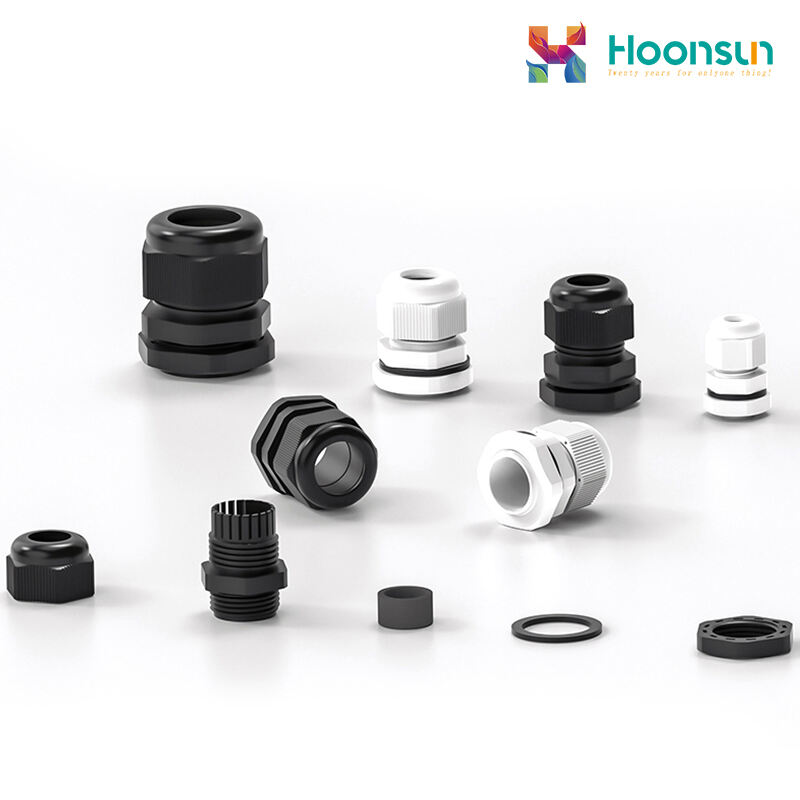
In the world of cables and wires, plastic cable gland is significant accessories applied to link and protect electrical cables. They are available in different materials, such as nylon, polypropylene and PVC. Each has its unique features, and HongXiang are proud to offer all of these types for our customer's convenience. How do these materials measure up to one another and what does it mean for a cable gland? To better understand our nylon, polypropylene and PVC cable glands let’s take a closer look at what makes them all flavorful.
A Comprehensive Guide
High quality nylon cable glands are pliable and resilient. They are frequently used in locations where the temperature could range a great deal. These cable glands are resistant to a variety of chemicals, which makes them suitable for industries such as manufacturing and agriculture. You’ve seen them in appliances, electrical-control boxes and even outdoor equipment. Nylon can take them, so it is the option that many rely on.
Polypropylene cable glands are another helpful product. They’re lighter than nylon but still strong. This water proof cable gland is especially good for use in water related applications because it won’t get ruined by the water. Polypropylene is commonly used in plumbing and chemical processing. This material is less heat resistant than nylon, but it’s suitable in many applications where exposure to chemicals and moisture would compromise other materials.
These PVC cable glands are one of our cheaper and most commonly supplied. They are useful for indoor use and also protect cables against dust and dirt. PVC, however, is not as “strong” of a plastic as nylon or polypropylene. It can also grow brittle in cold weather, which may be an issue in some scenarios. That being said, if you need an inexpensive solution for basic applications, PVC cable glands are a good option. HongXiang guarantees that all such types of cable glands are high in quality, and you can rely on the performance of each type.
Pros and Cons
So let’s discuss the advantages and disadvantages of each kind. First there’s nylon its strength and flexibility are among its great features. It can withstand high temperatures, and is chemical-resistant to boot, which means it's super versatile. But it also can be slightly pricier than the other choices. If you are a pro and need something that is durable and can withstand the toughest of environments, nylon would be a good choice for you, but you may have to consider an additional expenditure.
Polypropylene has its own advantages. It’s lighter and cheaper than nylon, so if you’re looking for something simple to handle this is probably the best option. The trade-off is that it will resist the damp, which is great for moist conditions. But it doesn’t have the same heat resistance as nylon, so may not be ideal for high-temperature uses.
Today, PVC cable glands are frequently the least expensive choice. Which is why they are ideal for indoor use. But they can crack in very cold temperatures and don’t deliver the strength of nylon or polypropylene. This also means that if you’re looking to use a cable gland for something a little hardier, then PVC might not be the best option.
There are several types of cable glands in plastic and the choice depends on where you want to use it and under which conditions. Each has its own pros and cons, and at HongXiang we encourage you to look through our selection of products in order to find the best one for your needs. From the durability of nylon, the low material cost of polypropylene, or even PVC for disposable applications - we've got you covered.
A Buyer’s Guide
When it comes to selecting plastic cable glands, you will find three major types: nylon, polypropylene material and PVC. Both types have their pros and cons. You should know what you want before making a decision. Nylon611 cable glands are robust and resilient. They can take a lot of pressure and are great for a range of jobs. Thus, they are favoured in an extensive range of projects. But they can become discolored if left in strong sunlight for an extended period. In contrast are polypropylene cable glands which have a high chemical resistance. They may not be as durable as nylon, however, and might not make the best lunch box totes. Finally, PVC cable glands are inexpensive. They are great for indoor use and keep your cables from dust and water. But they are not as durable as nylon or polypropylene, and may not stand up as well to rough conditions. When you’re picking out cable glands, think about where they are going to be installed and what kind of circumstances are likely to affect them. For instance, if you plan to use them outdoors, nylon may be best. If you need it for a chemical plant, perhaps polypropylene would be better. We have various kinds of plastic cable glands selection, ensure to find the one you need for your project.
Performance of Plastic Cable Glands in Harsh Environments And What You Need To know
Plastic cable glands can be suitable for most environments, but not all are created equal when used in extreme circumstances. Nylon cable glands, for instance are strong and can withstand temperatures a lot higher. Hot is fine, very cold not so much. When the temperature gets too low, nylon can get brittle and snap. Cold temperature: Polypropylene cable glands are superior in regards to cold weather. They remain hard even in cold weather. But they may not resist high heat as well as nylon. On the downside, PVC cable glands don ’t work well with very high or low temperatures. In high heat they may soften and can crack in the cold. It’s also helpful to consider moisture and chemicals. Nylon can hold moisture, and that could potentially lead to its weakening over time. Polypropylene has better water and chemical resistance versus polyethylene, which is why it is often used in rough environments. In selecting plastic cable glands for harsh conditions, be it any sort of climate or environment, temperature and water must be taken into consideration. Here at HongXiang, we strive to provide quality plastic material cable gland which are made to withstand under different circumstances, so you can have a dependable solution for your project options.
How to Choose the Appropriate Material for Plastic Cable Glands for Your Project
Selecting the proper plastic glands material is critical for success in your project. First, consider where you need to apply the cable glands. If you are inside, PVC may be a good option as it is inexpensive and helps protect cables from dust. But if you’re using them outside, nylon is frequently the best choice as it’s sturdy and can withstand sun exposure. Then, think about what chemicals are nearby. And if you’re in a setting with loads of chemicals, polypropylene is useful, as it can withstand a lot of things that would damage other plastics. Consider as well the temperature at which you will be using the cable glands. For hot weather, nylon is a good choice, but in cold weather polypropylene could be better. Also consider the thickness of the wires you'll want to protect. Ensure that the cable gland will fit over the cables you have selected. Finally, of course, don’t forget your budget. Yes, nylon and polypropylene may be slightly more expensive, but they also often is worth spending the extra money on because it will last longer. At HongXiang, we offer a variety of plastic cable glands that you can choose from to match your project’s exact requirements. By considering where and how you plan to use your cable glands, you can select the best one for your application.