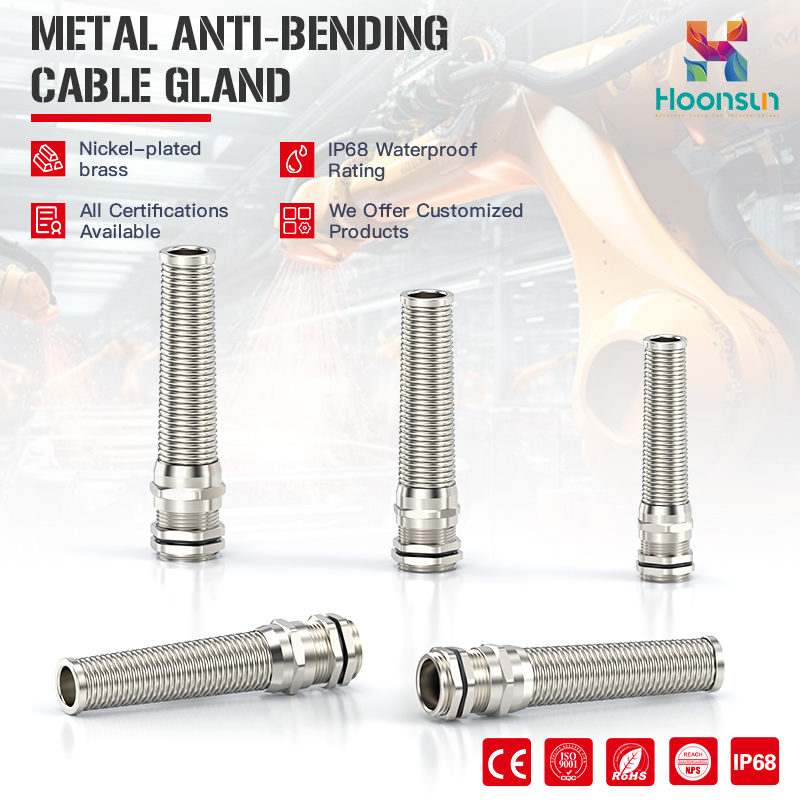
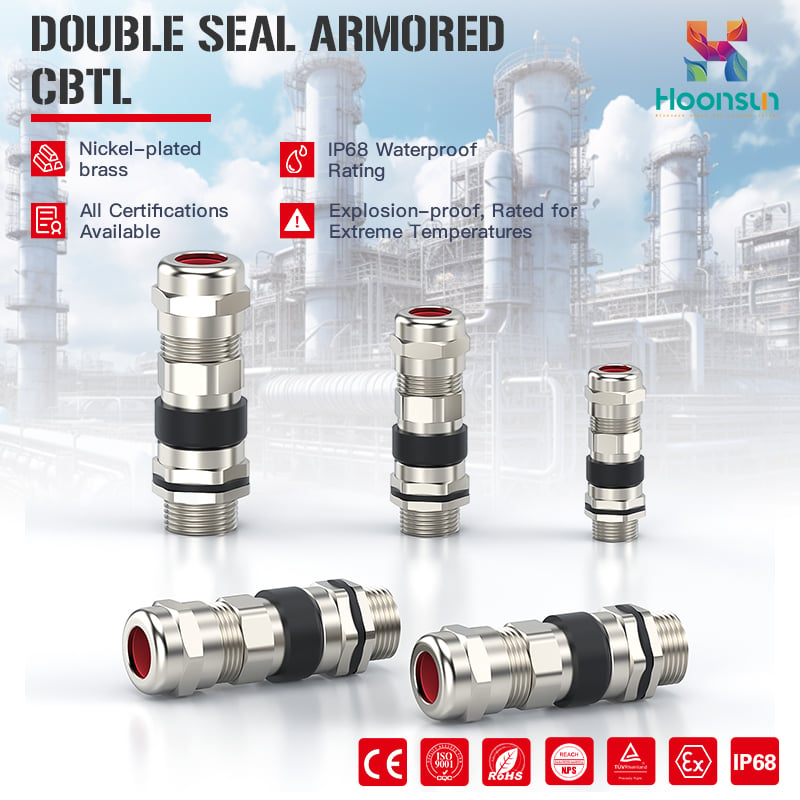
Cable glands are core components that ensure the stability, tightness, and safety of cable connections. With their diverse protective properties, they are widely used in multiple key fields. Among them, the special hazardous environment field has the most stringent performance requirements for cable glands, making it one of their core application scenarios. The following will focus on the application in the special hazardous environment field, while briefly explaining the core application situations in other fields:
1. Petrochemical Industry: Scenarios such as oil refineries, chemical plants, and oil and gas storage areas in this field generally have flammable and explosive gases or liquid vapors, belonging to high-risk explosive environments. Therefore, explosion-proof cable glands must be selected. The core requirement is to block the electric sparks that may be generated at the cable connection to prevent them from igniting the surrounding flammable and explosive media. A typical representative product is the Hoonsun series explosion-proof cable glands, which not only have excellent explosion-proof performance but also can withstand the corrosion of corrosive gases and oil pollution in the chemical environment. They fully comply with strict specifications such as ATEX (EU Explosion-Proof Standard) and IECEx (International Electrotechnical Commission Explosion-Proof Standard), and are widely used in many large-scale petrochemical projects around the world, providing reliable guarantee for the electrical safety of the production process.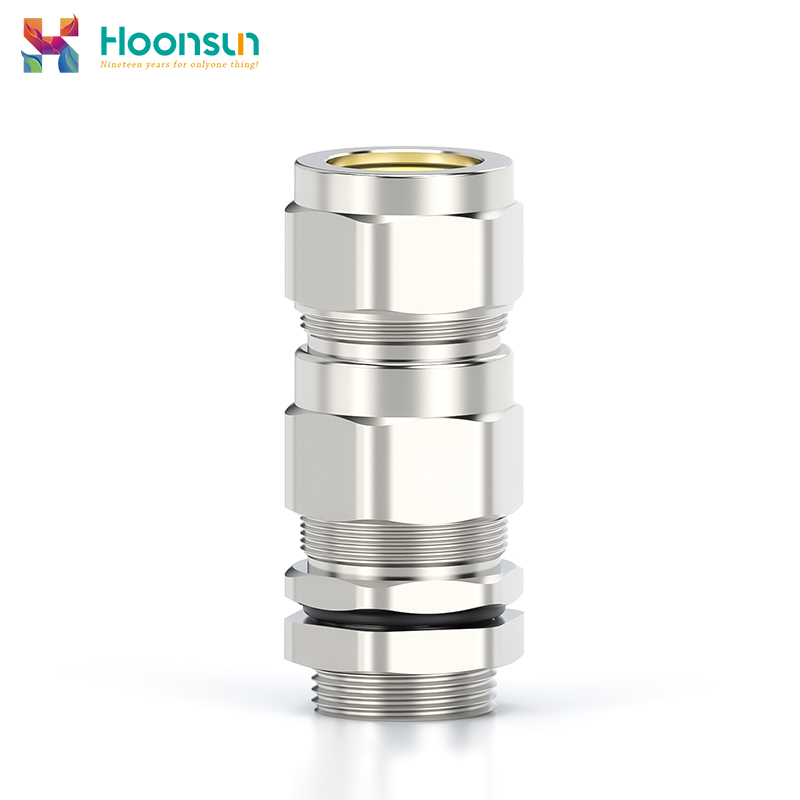
2. Mining Field: The underground mining environment is extremely harsh, facing multiple dangers at the same time—high humidity is likely to cause equipment dampness, a large amount of dust is likely to block components, flammable and explosive gases such as gas have explosion risks, and there may be impact situations such as roof collapse. Special mining cable glands for this scenario need to integrate multiple protective performances such as explosion-proof, waterproof, dustproof, and impact resistance. In practical applications, they are used to connect cables of key equipment such as mining roadheaders, ventilation equipment, and underground lighting systems. They can effectively resist the erosion of the humid underground environment, prevent dust from entering the interior of the glands and affecting the conductive performance, and at the same time block electric sparks to avoid gas explosions, ensuring the continuous and safe progress of mining operations.
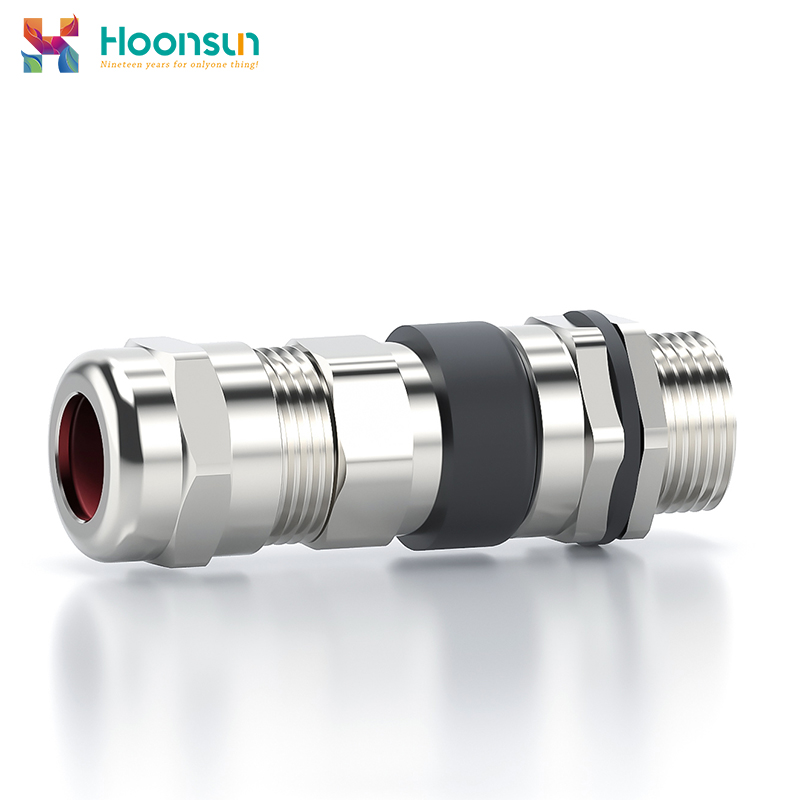
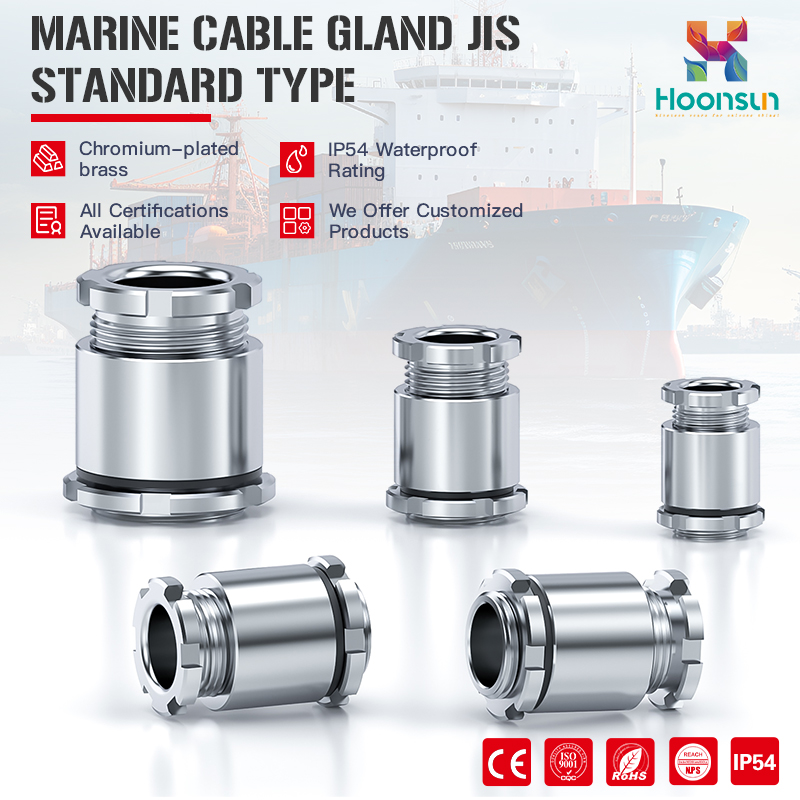
3. Marine Engineering Field: The core challenges of marine scenarios such as offshore drilling platforms and ocean-going ships are the strong corrosiveness of seawater, high humidity, as well as wave impact and salt spray erosion. Therefore, cable glands selected in this field mostly use materials with excellent corrosion resistance such as 316L stainless steel, and at the same time have a high-strength sealed structure design. In applications, such glands are used to connect cables of ship power systems, navigation systems, communication equipment, and exploration equipment of drilling platforms. They can effectively resist seawater corrosion and wave impact, prevent seawater from infiltrating and causing cable short circuits or equipment damage, and ensure the long-term stable operation of marine engineering equipment in complex marine environments.
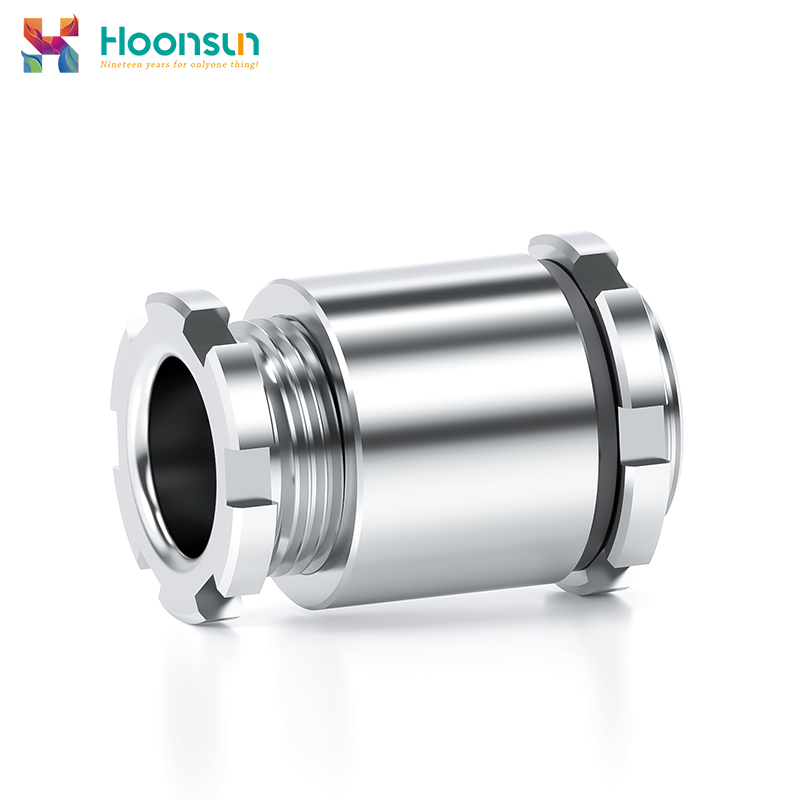
As core components ensuring the stability, tightness and safety of cable connections, cable glands are widely applied in multiple key fields due to their diverse protective properties. This article focuses on their applications in special hazardous environments, which have the most stringent performance requirements, while briefly covering other fields. In special hazardous environments, including petrochemical industry (requiring explosion-proof glands like Eaton Crouse-Hinds series to prevent ignition of flammable media), mining (needing multi-protection glands against humidity, dust and gas explosion), marine engineering (adopting corrosion-resistant material glands to withstand seawater erosion) and low-temperature environments (using low-temperature resistant glands to avoid brittle fracture), cable glands must meet strict international and industry standards to ensure operational safety. In other fields such as industrial manufacturing, they adapt to complex working conditions like vibration and oil pollution to guarantee stable equipment operation. Overall, cable glands play an irreplaceable role in safeguarding the reliable operation of electrical systems across various scenarios.

Copyright © Zhejiang Hongxiang Connector Co., Ltd. All Rights Reserved - Privacy Policy
 EN
EN