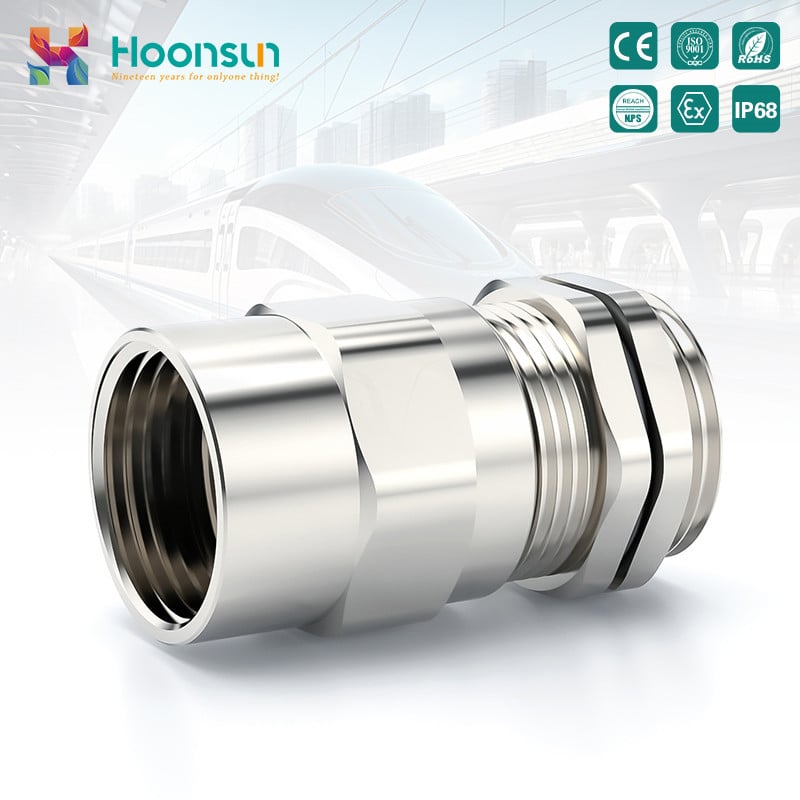
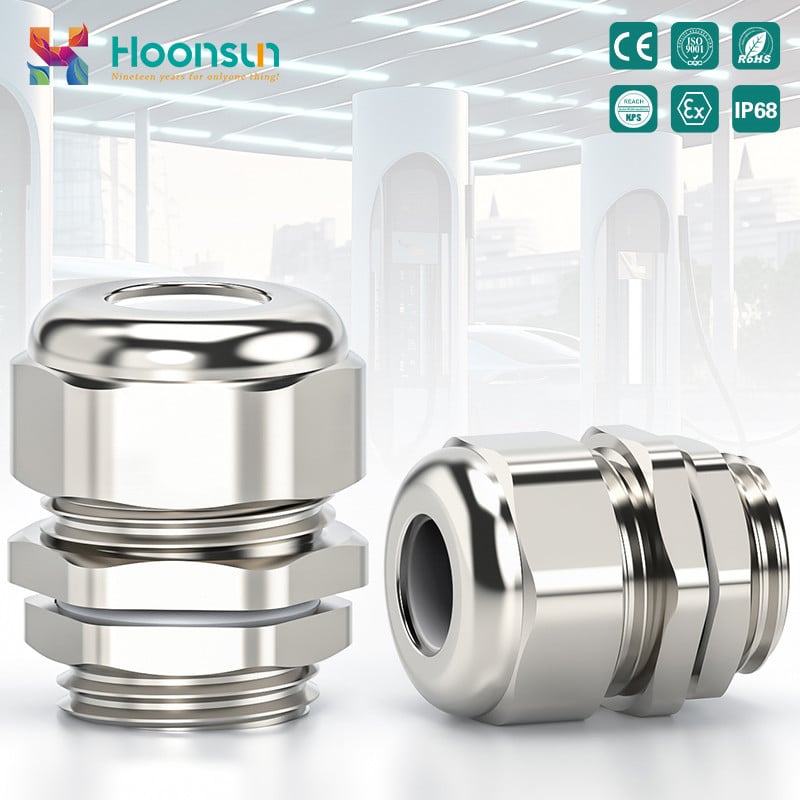
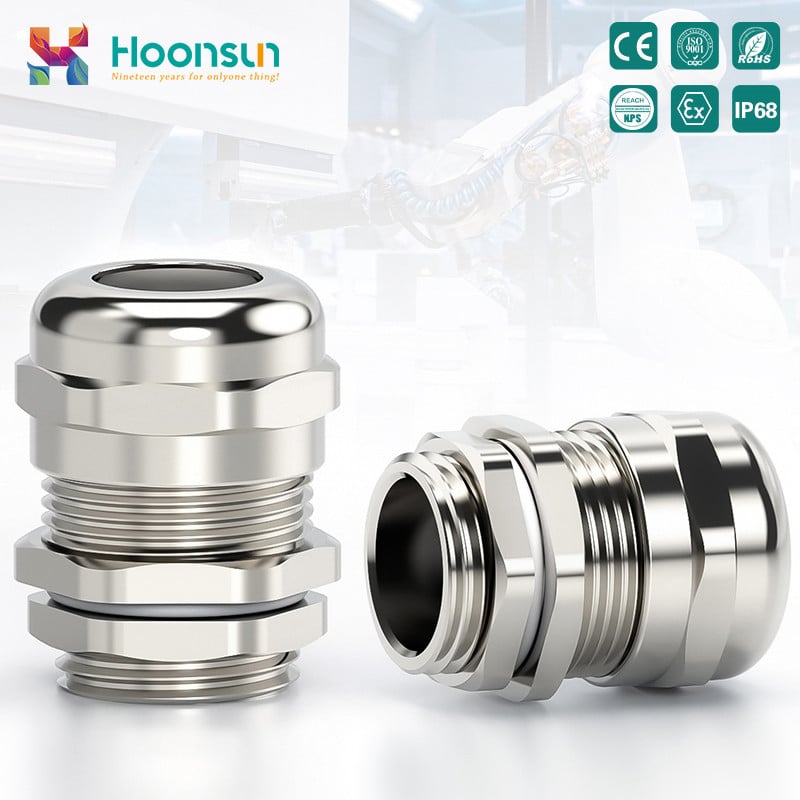
In the demanding world of industrial engineering, the "weakest link" in an electrical system is often the point where a cable enters an enclosure. Without a proper seal, environmental contaminants—ranging from fine dust particles to high-pressure water jets—can penetrate the housing, leading to short circuits, corrosion, and catastrophic system failure. This is why understanding Ingress Protection (IP) ratings is paramount for B2B procurement managers and electrical engineers. The IP rating system, defined by the international standard IEC 60529, provides a clear, quantifiable measure of how well a cable gland or connector can withstand these external threats. However, selecting between IP68, IP65, and IP54 requires a deep understanding of the specific application environment to avoid the dual risks of under-protection or costly over-engineering. As a premier manufacturer with over 18 years of expertise, Hoonsun (Zhejiang Hongxiang Connector Co., Ltd.) produces over 80 million high-quality cable glands annually, designed to meet the world’s most stringent IP standards.
The Ingress Protection (IP) rating is composed of two digits, each signifying a specific level of defense. The first digit (ranging from 0 to 6) indicates the degree of protection against solid objects, such as dust and accidental contact. A "6" in the first position is the highest level, representing a completely dust-tight seal. This is crucial for environments like flour mills, cement plants, or desert-based solar farms where fine particulates can cause mechanical wear or electrical interference. The second digit (ranging from 0 to 9) represents protection against liquids, specifically water.
Understanding how these digits interact is essential. For instance, an IP65 rating does not automatically mean the device is better than an IP54 device in every category; it specifically denotes a certain level of dust tightness combined with resistance to water jets. It is a common misconception that IP ratings are cumulative; while a higher second digit often implies better protection, the testing methods for IP67 (immersion) and IP66 (powerful water jets) are different. At Hoonsun, our R&D team ensures that our IP68 cable glands are tested not just for immersion, but also for the foundational dust-tightness required by the "6" prefix, providing a holistic security solution for our global clients.
IP54 is often considered the baseline for industrial-grade enclosures. The "5" in the first digit means "dust protected"—while some dust may enter, it will not penetrate in quantities sufficient to interfere with the equipment's operation. The "4" indicates protection against water splashing from any direction. This makes IP54 cable glands ideal for most indoor industrial applications, such as factory automation control panels, indoor power distribution units, and general machinery located in dry environments.
For a procurement officer, specifying IP54 can be a cost-effective strategy when the environmental risks are low. However, it is important to note that IP54 does not protect against pressurized water or continuous moisture. If the facility undergoes periodic cleaning with hoses, or if the machinery is located in a high-humidity zone, IP54 may prove insufficient over time. Hoonsun’s nylon and brass glands often exceed basic IP54 requirements, providing a margin of safety for our customers even at the entry-level tier of our product catalog.
When your project moves outdoors or into "wash-down" zones, IP65 becomes the industry standard. The "6" ensures the gland is "dust-tight," meaning no dust can enter at all. The "5" protects against low-pressure water jets (6.3mm nozzle) from any angle. This level of protection is vital for outdoor telecommunications cabinets, street lighting systems, and agricultural equipment. In these scenarios, the cable gland must withstand heavy rain and wind-blown particulates without compromising the internal electronics.
Selecting IP65 cable glands, such as Hoonsun’s HSK series, provides a robust balance between performance and price. These glands are engineered with high-quality NBR (Nitrile Butadiene Rubber) or EPDM seals that maintain their elasticity under varying environmental conditions. For many B2B buyers in the infrastructure and construction sectors, IP65 is the "sweet spot" for reliability. It ensures that even during a summer storm or a standard industrial cleaning cycle, the electrical connections remain dry and functional.
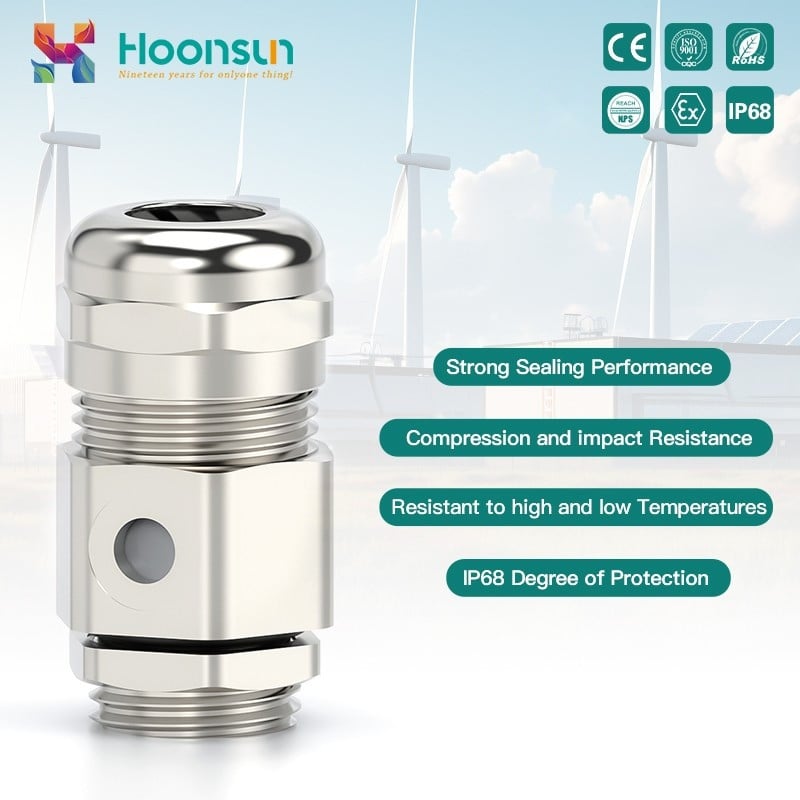
IP68 represents the pinnacle of liquid ingress protection. Unlike other ratings, the parameters for IP68 are defined by the manufacturer and the customer, but they must be more stringent than IP67 (which requires immersion at 1 meter for 30 minutes). Hoonsun’s IP68 cable glands are typically rated for continuous immersion. For example, our high-performance metal glands are tested to withstand depths of up to 10 meters for 72 hours, or even deeper upon specific project request.
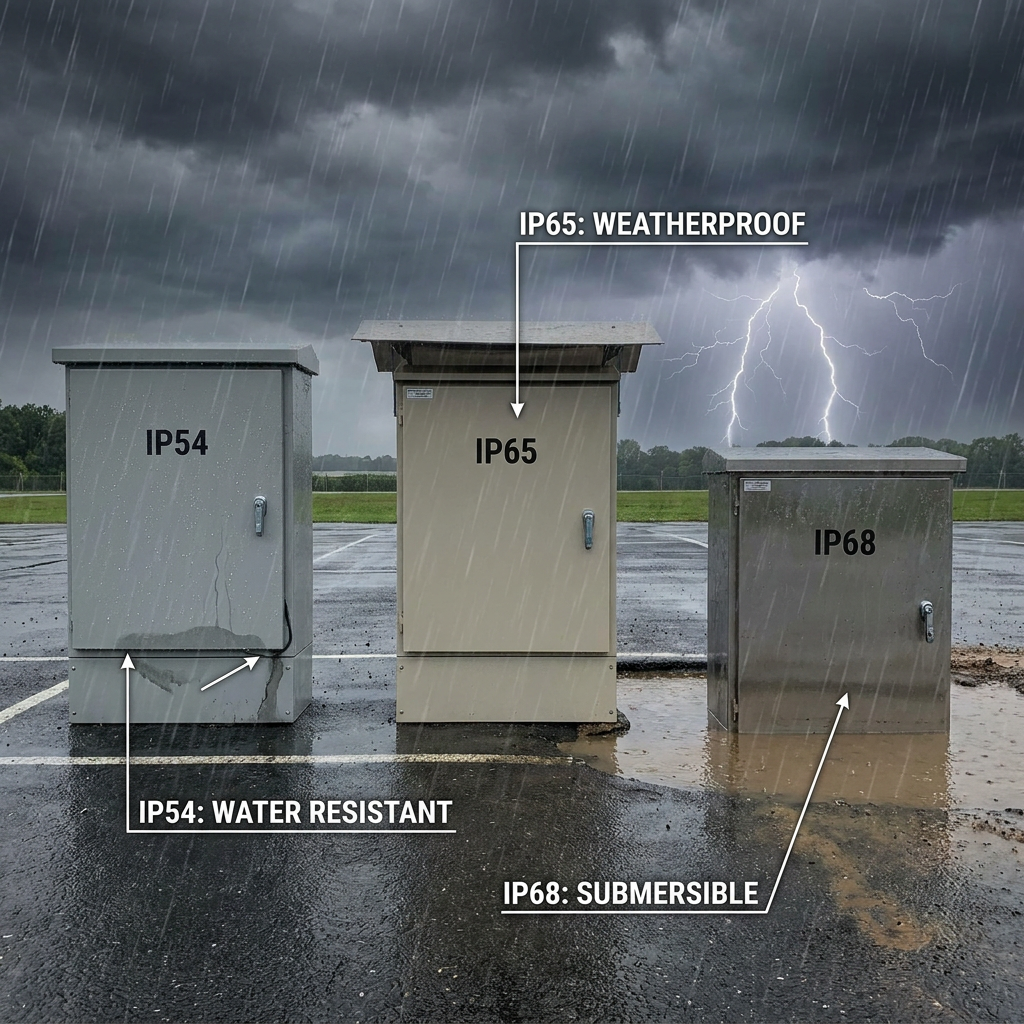
IP68 is mandatory for underground cabling, marine engineering, offshore oil rigs, and wastewater treatment plants. In these applications, the gland is the only barrier preventing high-pressure water from flooding expensive subsea sensors or underground power junctions. Achieving a true IP68 seal requires precision engineering—perfect thread alignment, high-grade O-rings, and a clamping claw design that applies uniform pressure around the cable jacket. Hoonsun’s 18+ years of manufacturing experience allow us to produce IP68 components that remain leak-proof even under the significant hydrostatic pressure found in deep-water applications.
|
IP Rating |
Dust Protection (1st Digit) |
Water Protection (2nd Digit) |
Typical Application |
|
:--- |
:--- |
:--- |
:--- |
|
IP54 |
Dust protected (limited ingress) |
Splashing water |
Indoor factory panels, light machinery |
|
IP65 |
Dust tight (no ingress) |
Low-pressure water jets |
Outdoor telecom boxes, street lights |
|
IP66 |
Dust tight (no ingress) |
Powerful water jets |
Deck machinery on ships, heavy washdown |
|
IP67 |
Dust tight (no ingress) |
Temporary immersion (1m, 30 min) |
Outdoor sensors, portable devices |
|
IP68 |
Dust tight (no ingress) |
Continuous immersion (>1m) |
Subsea equipment, underground vaults |
A common mistake in B2B procurement is the "maximum protection" fallacy—assuming that every project should use IP68 components just to be safe. While safety is paramount, over-specifying can lead to unnecessary costs and logistical challenges. IP68 glands often require more specialized seals (like silicone for temperature extremes) or higher-grade metals (like Stainless Steel 316), which carry a price premium. For an indoor server room, an IP68 rating is an unnecessary expense that adds no functional value to the installation.
Conversely, under-specifying is a recipe for disaster. Using an IP65 gland in a location prone to flooding (like a basement cable vault) will inevitably lead to failure. The key is to conduct a thorough environmental risk assessment. Consider not just the weather, but also human factors: Will the equipment be cleaned with high-pressure washers? Is there a risk of the area being submerged during seasonal high tides? Hoonsun’s technical consultants work closely with engineers to match the right IP rating to the specific environmental reality, ensuring optimal performance and budget allocation.
Different industries have "unwritten rules" regarding IP ratings that go beyond the basic IEC 60529 code. In the marine industry, for example, "IP66/68" is a common requirement. This means the gland must handle both the impact of powerful "green water" crashing over a ship’s deck (IP66) and the potential for temporary submersion if the deck is flooded (IP68). Hoonsun’s stainless steel marine-grade glands are specifically designed to meet these dual requirements, utilizing multiple sealing points to handle both pressure and impact.
In the renewable energy sector—specifically wind and solar—IP67 or IP68 is standard due to the remote and harsh nature of the installations. Solar trackers in the desert face extreme UV exposure and fine sand, requiring a dust-tight IP6x seal that won’t degrade over 25 years. Wind turbines, especially offshore ones, require glands that can handle salt-laden mist and vibration without losing their IP rating. Hoonsun’s IATF16949 certification ensures that our manufacturing processes are consistent enough to meet these high-stakes industrial demands.
|
Expert Tip |
|
Expert Tip from Hoonsun Technical Team: An IP rating is only as good as the installation. Even an IP68 gland will leak if the enclosure hole is not deburred or if the locknut is under-tightened. We recommend using a torque wrench during installation and ensuring that the sealing washer is seated flat against the enclosure wall. For non-threaded holes, a high-quality serrated washer can help maintain a ground connection while the O-ring maintains the seal. |
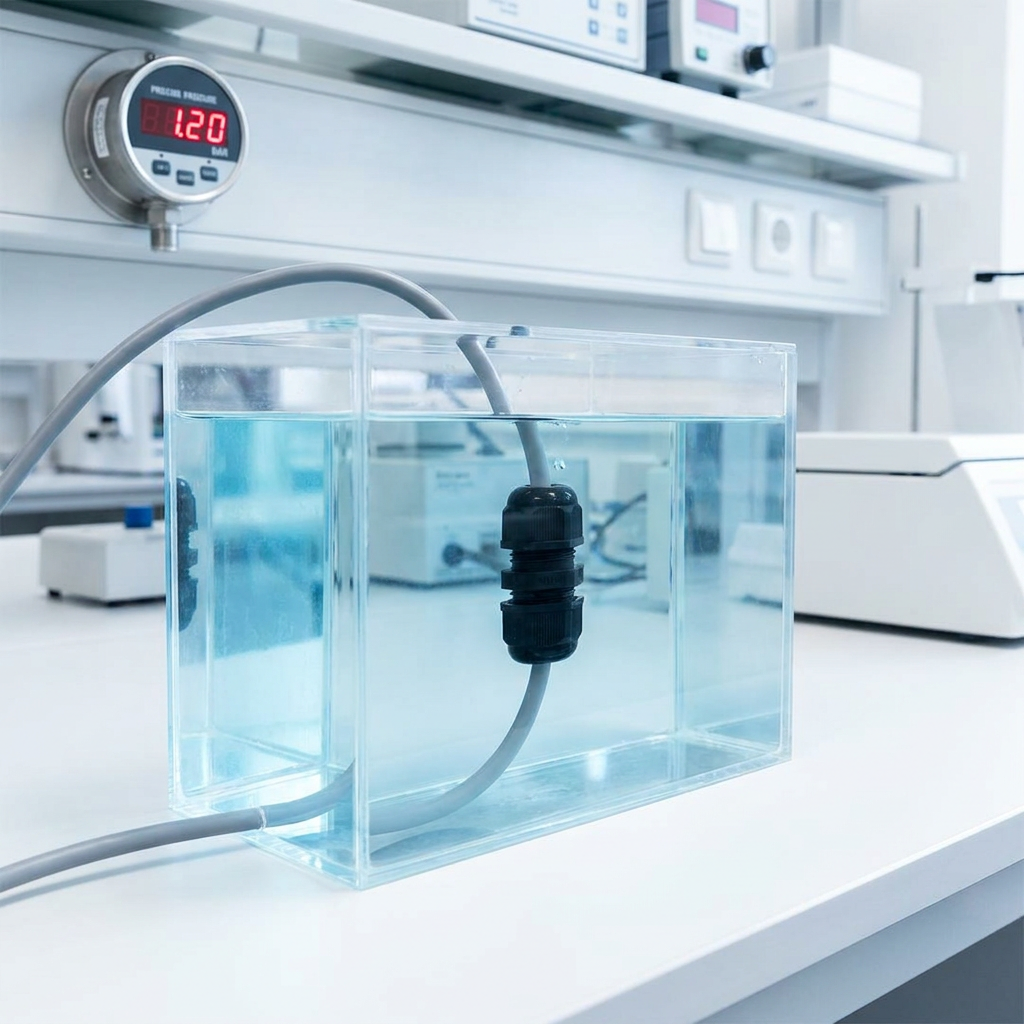
At Hoonsun, "Quality First" is not just a slogan; it is the foundation of our production line. Every batch of our IP68 cable glands undergoes a series of rigorous tests in our in-house laboratory. We utilize vacuum testing to check for micro-leaks and pressurized water chambers to simulate deep-sea conditions. Our commitment to quality is backed by international certifications, including ISO9001 and IATF16949, which mandate strict traceability and process control.
Furthermore, our products are certified by global bodies such as UL (Underwriters Laboratories) for the North American market, and CE/RoHS for Europe. These third-party validations give our B2B partners the confidence that the IP68 rating on the box is the performance they will receive in the field. With over 30 countries served, from the humid tropics of Southeast Asia to the frigid North Sea, Hoonsun cable glands have been proven in every conceivable environment. When you choose Hoonsun, you are choosing nearly two decades of engineering excellence.
Navigating the complexities of IP ratings is essential for ensuring the reliability of industrial electrical systems. Whether your application calls for the general protection of IP54, the weather-resistance of IP65, or the heavy-duty submersion capabilities of IP68, selecting the right cable gland is a matter of technical precision. By understanding the IEC 60529 standard and consulting with experienced manufacturers like Hoonsun, you can protect your infrastructure against the elements while optimizing your procurement costs. Our team is ready to provide the expertise and the high-volume capacity needed to power your next major project.
Ready to secure your electrical installations with world-class protection?
Browse our extensive catalog of IP68 cable glands at: www.hoonsuncg.com
For a customized quote or technical consultation, email us today: [email protected]
Contact Hoonsun | [email protected] | www.hoonsuncg.com | Founded 2006 | ISO9001 | IATF16949 | CE | UL | ATEX | IECEx
 Hot News
2026-10-22
2026-10-22
2026-10-13
2026-10-10
2026-09-30
2026-09-24

Copyright © Zhejiang Hongxiang Connector Co., Ltd. All Rights Reserved - Privacy Policy
 EN