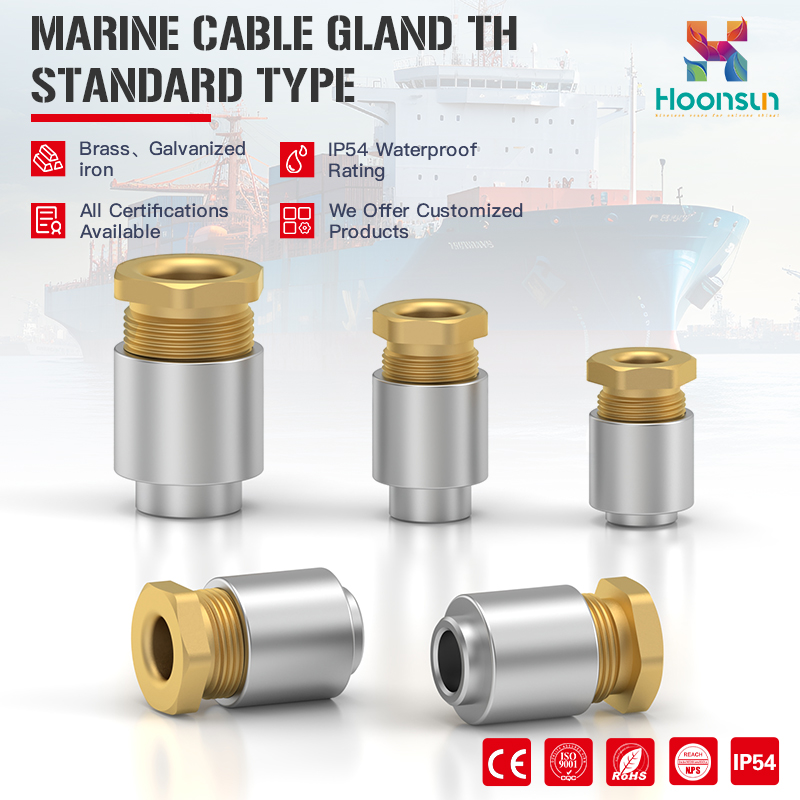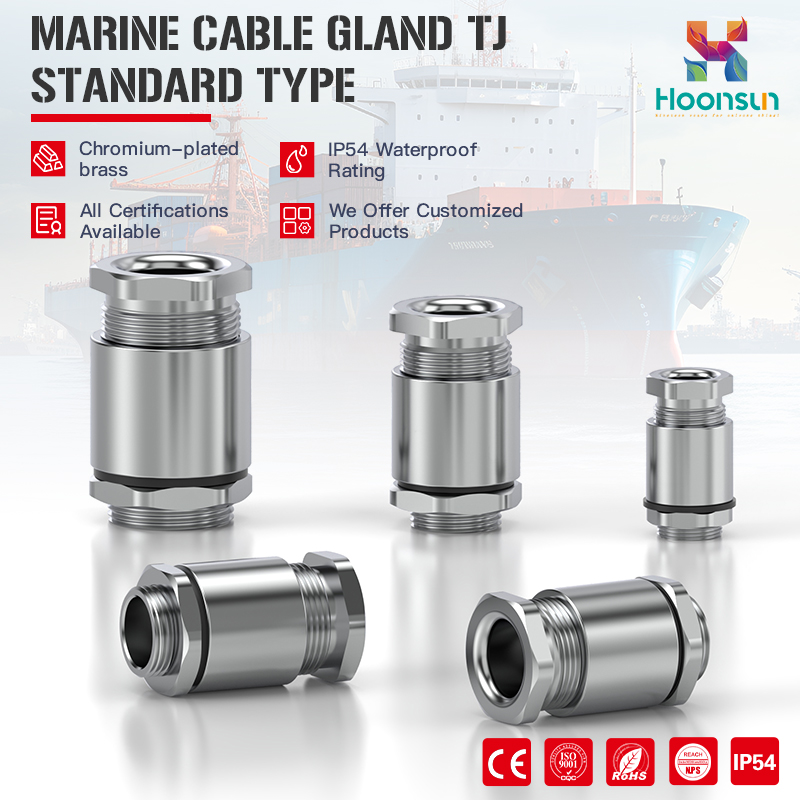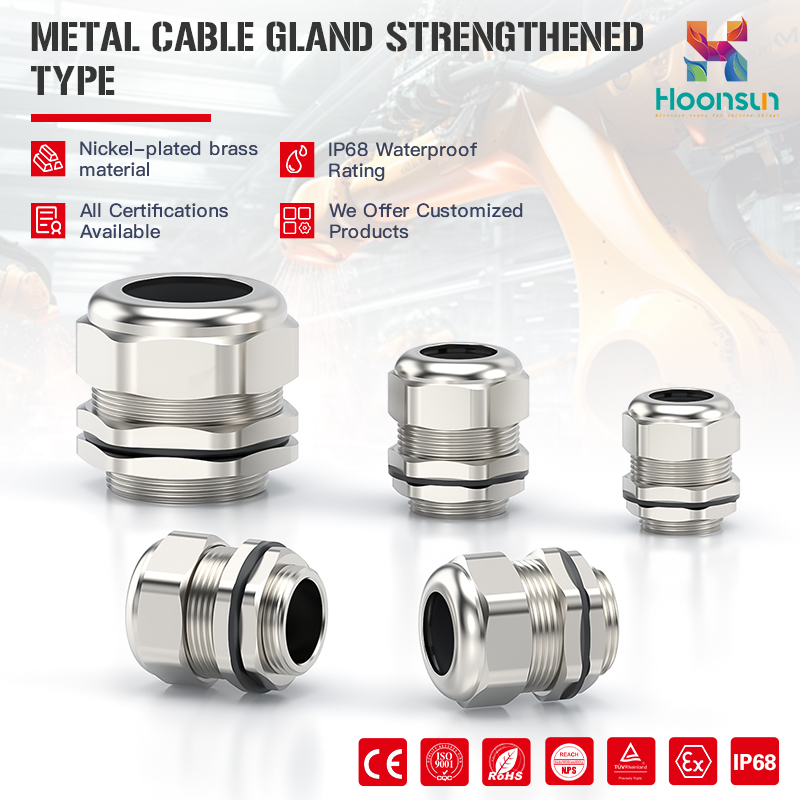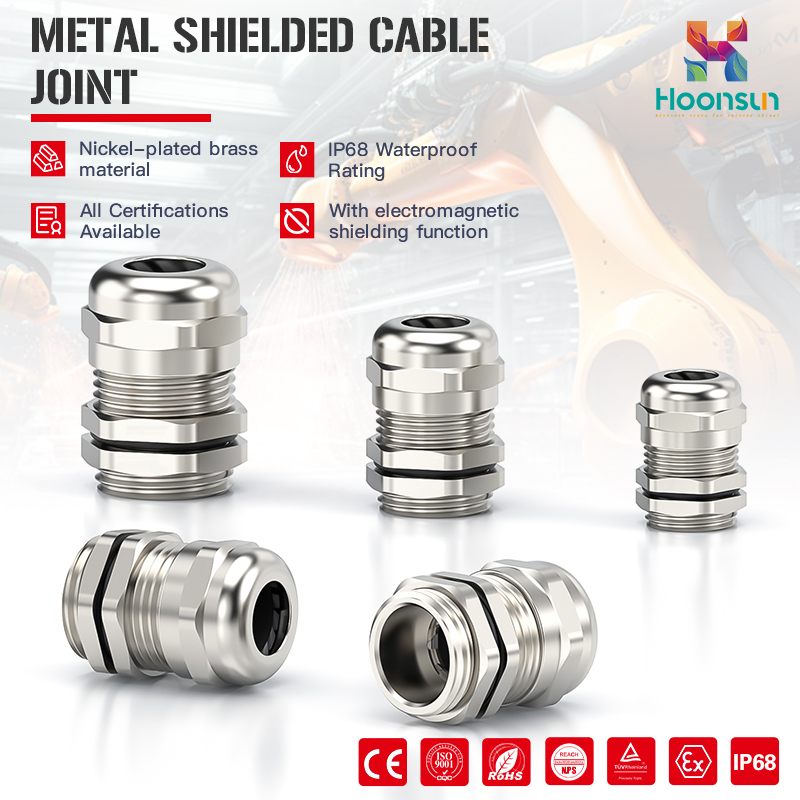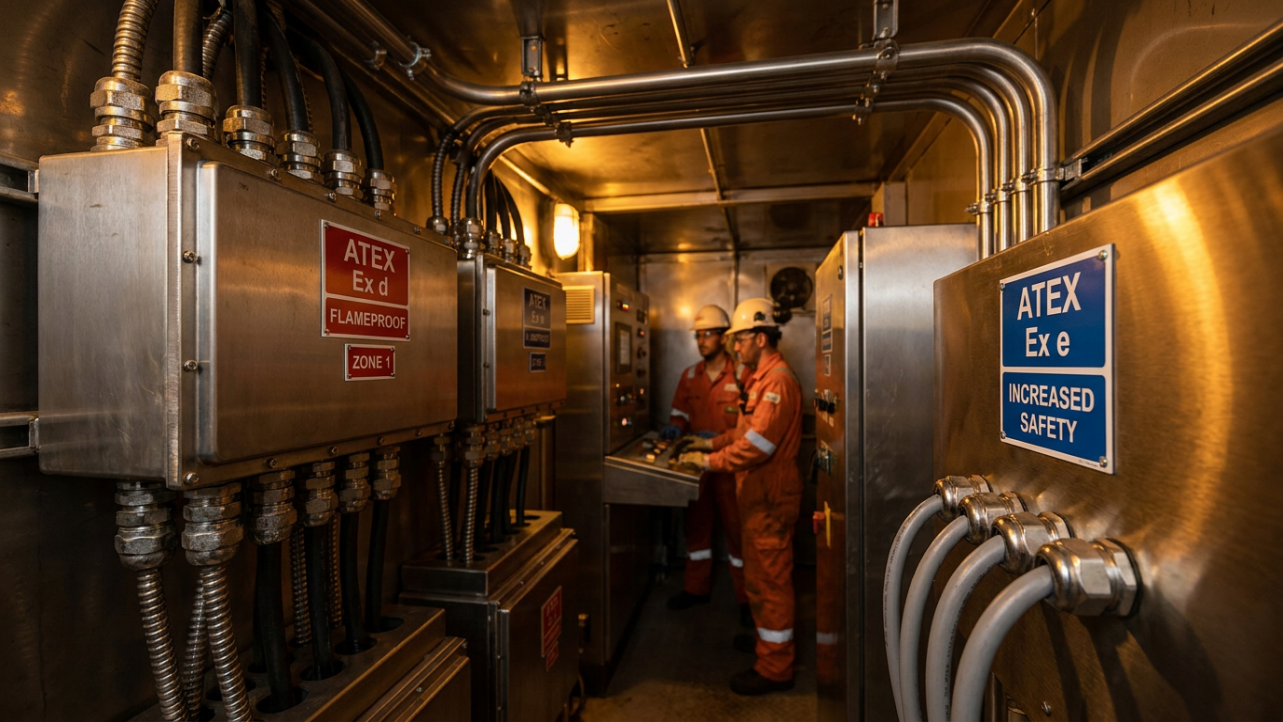
Ex d flameproof (left enclosure) and Ex e increased-safety (right enclosure) cable glands installed in a petrochemical plant Zone 1 panel room.
An ATEX mark on a cable gland tells you the product has been certified for use in hazardous areas — but it does not tell you which protection concept applies, which zone it is certified for, or whether it matches the Ex protection concept of the enclosure you are mounting it in. EPC engineers and site electricians who fail to understand these distinctions risk installing a certified component in a non-compliant configuration — a violation of IEC 60079-14 that invalidates the entire explosive protection system.
This guide explains the three most common Ex protection concepts for cable glands (Ex d, Ex e, Ex nA), maps them to hazardous area zone classifications, and gives you the selection logic to specify correctly for Zone 1 and Zone 2 gas-atmosphere and Zone 21/22 dust-atmosphere installations. Hoonsun holds CNEX certification for Ex d and Ex e cable glands with IECEx mutual recognition path.
|
Zone |
Explosive Atmosphere Frequency |
Required Ex Category |
Common Locations |
|
Zone 0 |
Continuous (>1000h/year) |
Category 1G |
Inside storage tanks, open process vessels |
|
Zone 1 |
Likely (10–1000h/year) |
Category 2G (Ex d or Ex e) |
Pump rooms, compressor houses, oil platforms |
|
Zone 2 |
Unlikely (<10h/year) |
Category 3G (Ex nA, Ex e also acceptable) |
Perimeter of Zone 1 areas, non-routine release |
|
Zone 21 |
Likely (dust) |
Category 2D |
Grain silos, pharmaceutical powder areas |
|
Zone 22 |
Unlikely (dust) |
Category 3D |
Perimeter of Zone 21 areas |
Ex d — flameproof enclosure — is the most widely used protection concept for Zone 1 cable glands. The principle: if an internal ignition does occur, the enclosure and cable gland contain the explosion and cool the exhaust gases before they can ignite the surrounding atmosphere through specially engineered flame paths.
Ex e — increased safety — is based on eliminating the causes of ignition in normal operation and under defined fault conditions, rather than containing an ignition. For cable glands, Ex e means the gland is designed with enhanced IP sealing, secure cable clamping, and no exposed arcing contacts — preventing the external atmosphere from reaching internal sparking points.

ATEX site inspection: certified Ex engineer verifying torque and documentation on flameproof cable gland installation in gas processing facility.
Ex nA — non-sparking equipment in normal operation — is the least restrictive Ex protection concept and is certified for Zone 2 only. For cable glands, Ex nA means the gland design ensures no exposed sparking contacts in normal operation. It is the preferred option for large Zone 2 perimeter installations where the full cost of Ex d or Ex e glands would be prohibitive.
|
Criterion |
Ex d Flameproof |
Ex e Increased Safety |
Ex nA Non-Sparking |
|
Zone 1 use |
Yes (Category 2G) |
Yes (Category 2G) |
No |
|
Zone 2 use |
Yes (over-specified) |
Yes (Category 3G) |
Yes (Category 3G) |
|
Compound fill required |
Yes — mandatory |
No |
No |
|
Armored cable |
Typical |
Optional |
Optional |
|
Installation complexity |
High |
Medium |
Low |
|
Cost level |
Highest |
Medium-High |
Medium |
|
Gas group IIC (H2) |
Requires IIC certified |
Requires IIC certified |
Requires IIC certified |
 Hot News
2026-10-13
2026-10-10
2026-09-30
2026-09-24
2026-09-21
2026-09-16

Copyright © Zhejiang Hongxiang Connector Co., Ltd. All Rights Reserved - Privacy Policy
 EN