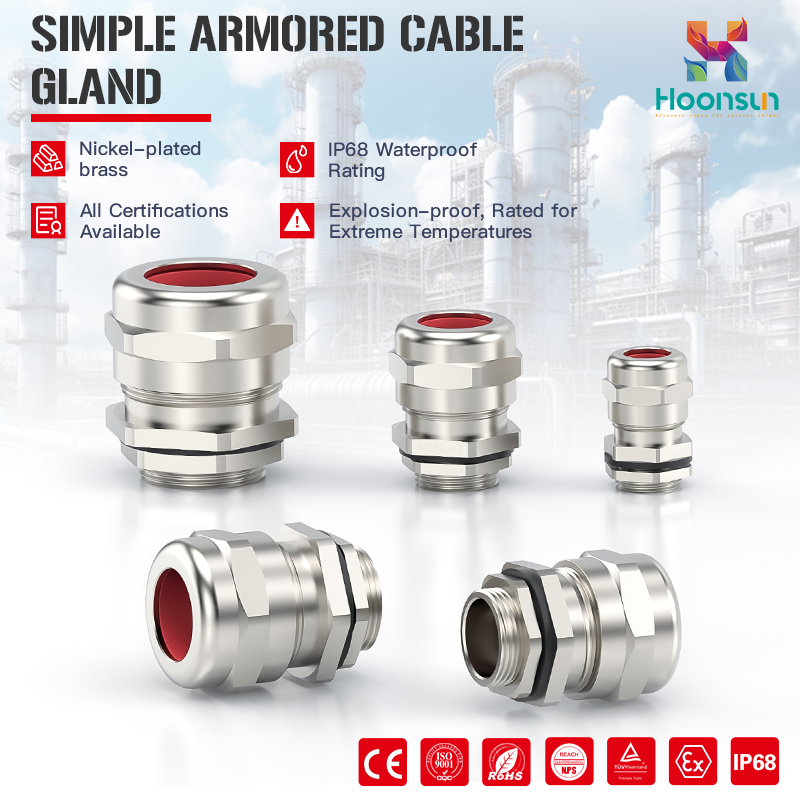
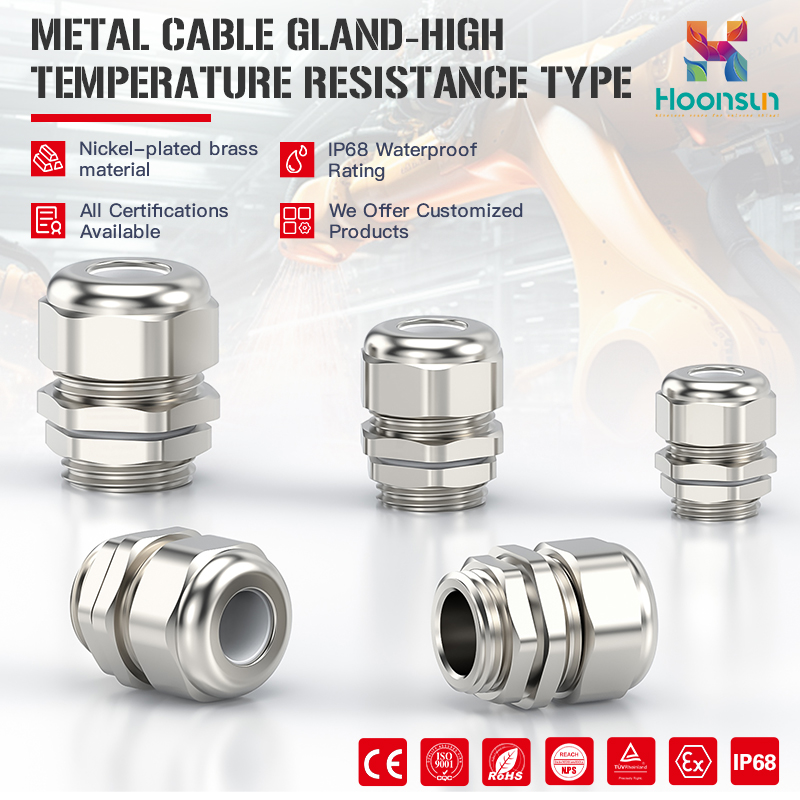
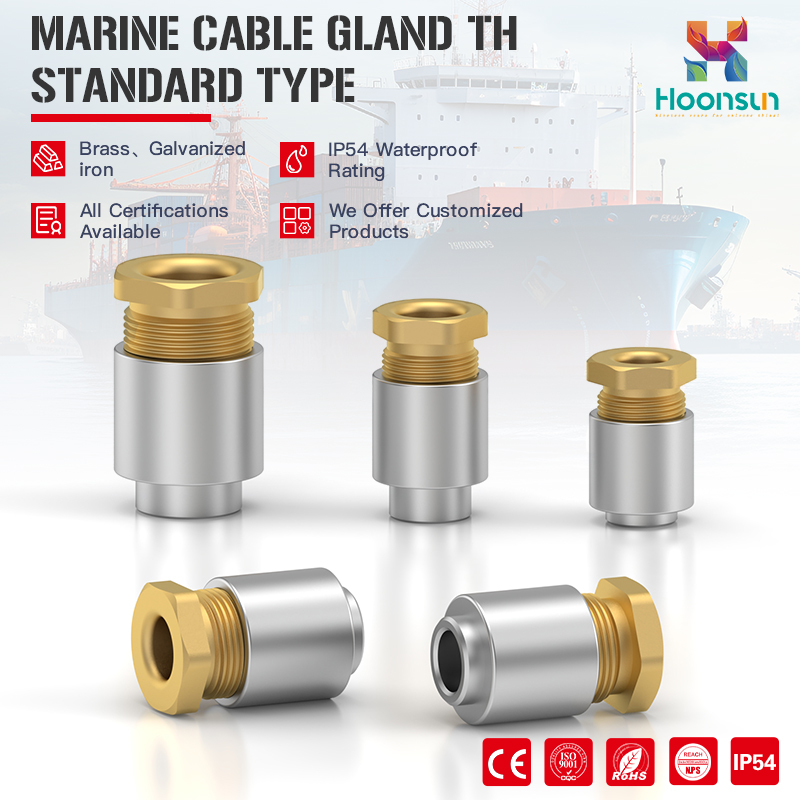
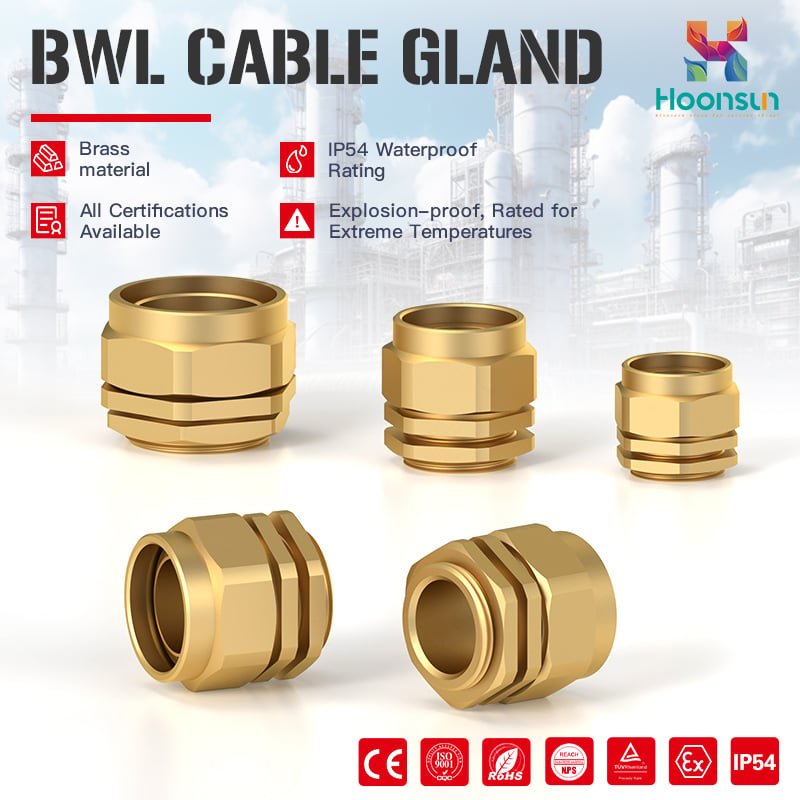
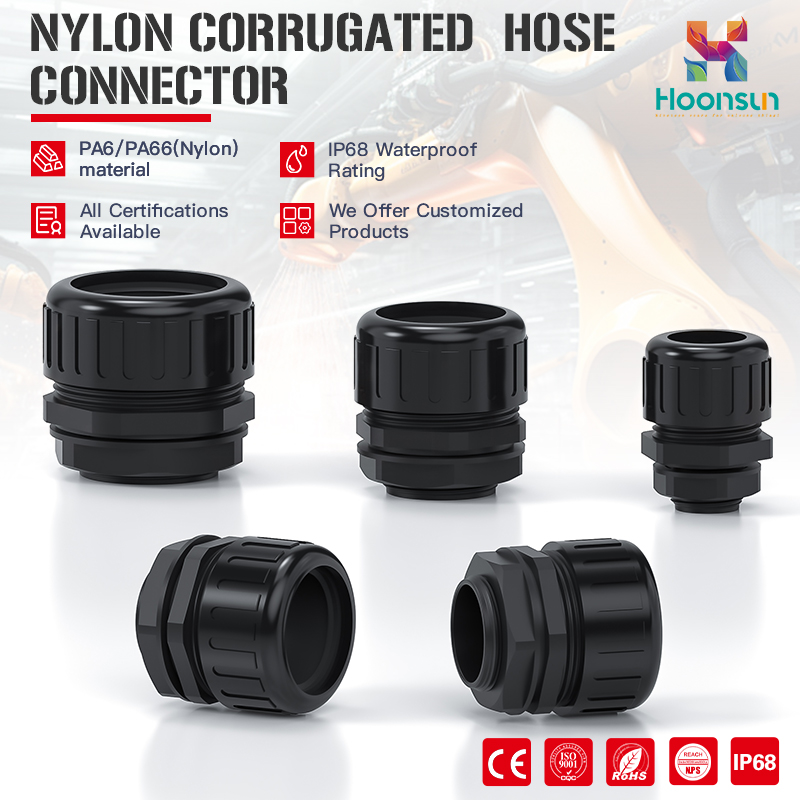
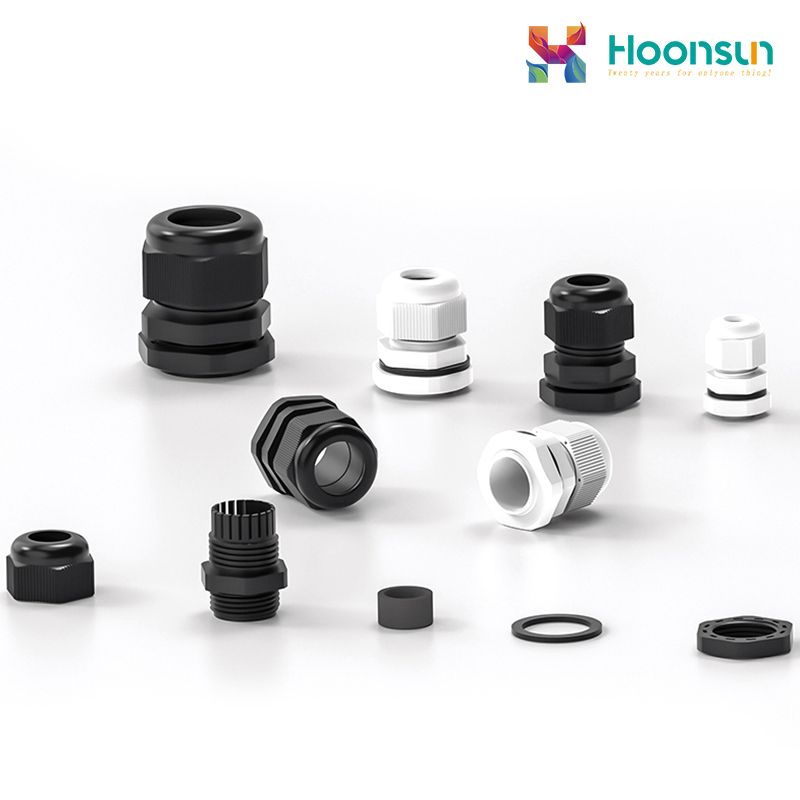
Non metallic cable glands are critical components to guard your cabling in to an item of equipment or a building. These are manufactured out of plastic, or other non-metallic materials. This makes them lightweight, easy to handle and rust and corrosion resistant. If you deal with a lot of cables, non metallic cable gland connector can protect your cable from dust, water and other mechanical stress.
These glands make sure that dirt, water and dust are kept out to protect the cables. If the cable gland fitting are installed incorrectly, you'll have issues ranging from water leaks to loose connections to scuffed cables. In order to avoid these problems, here are some easy instructions.
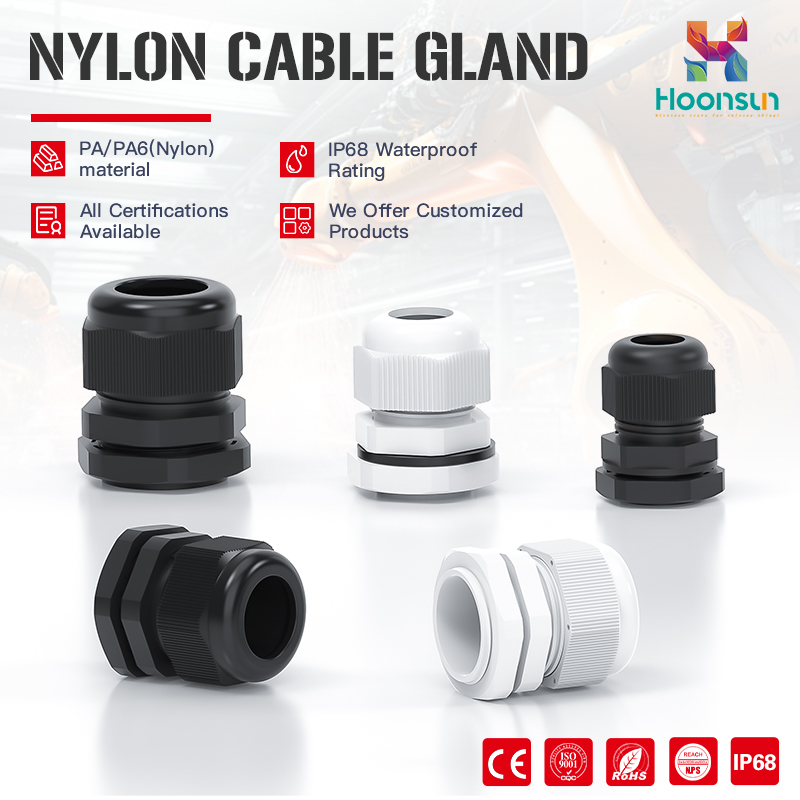
Cable glands are vital components for safeguarding cables where cable enters machines or electrical cabinets. They can be divided into three different types: non-metallic cable gland, metallic cable glands and composite cable glands.
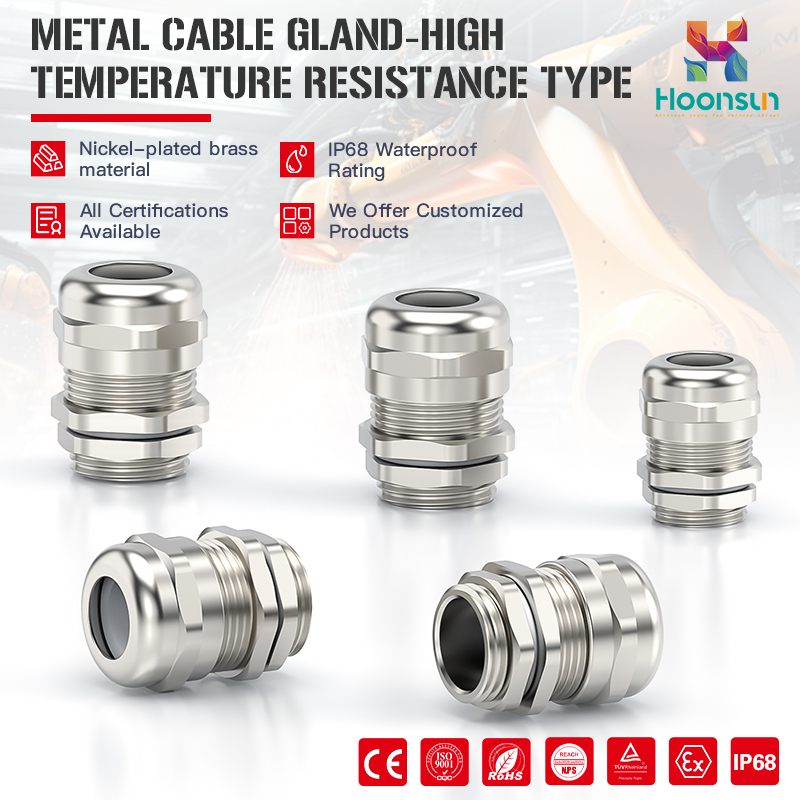
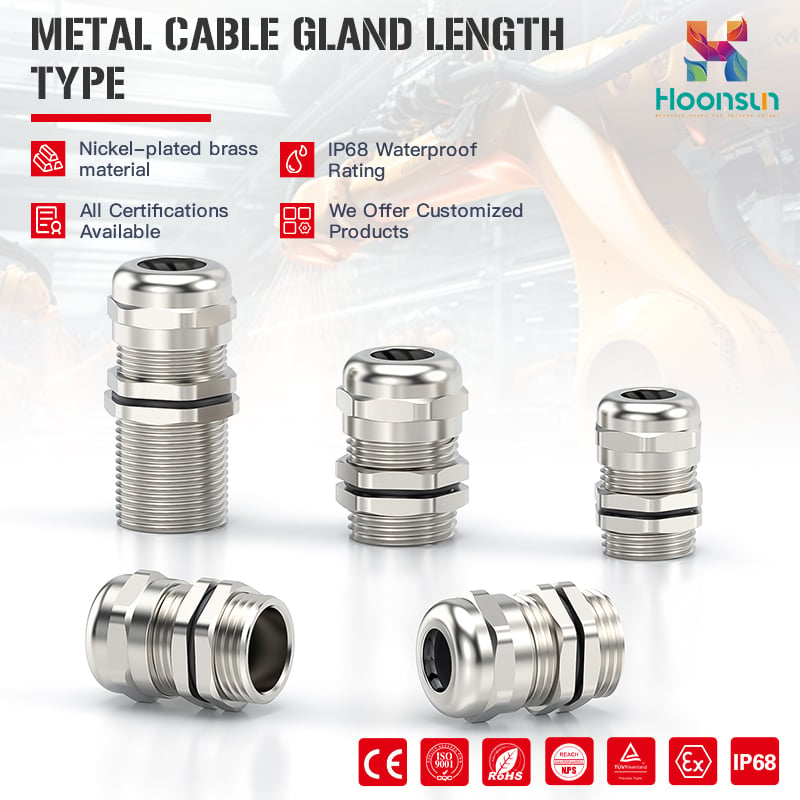
Compliance means following rules to keep people and equipment safe. Cable glands made from metal frequently conform to stringent safety codes when using in hazardous areas, such as premises containing spark risks or the potential of explosions. They can keep sparks from getting through and are frequently used inside factories or oil plants.
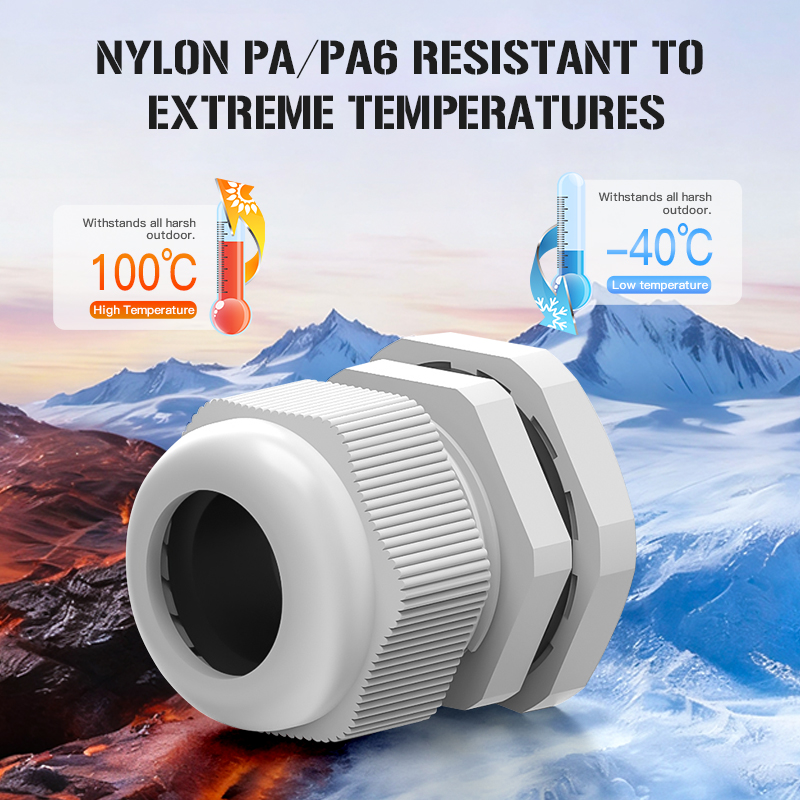
A cohesive improvement that these cable glands bring in the field of managing cabling is to secure cables in place. When cables are brought into a machine or control box, over time they can become subject to motion or may be pulled out of place. A nonmetallic cable gland holds the cable firmly in place and prevents movement.
With a portfolio covering stainless steel, nylon, brass, and photovoltaic‑grade materials, we serve over 30 countries and provide end‑to‑end solutions—from R&D and manufacturing to installation and after‑sales—positioning us as a one‑stop global partner for cable connectivity needs.
We hold independent patents such as ZL201020530888.7 for advanced cable gland designs, supported by strong mold design and product innovation capabilities, allowing us to offer customized, high‑precision metal connectors for diverse industrial applications.
All products comply with UL, CE, RoHS, TUV, ATEX, IP68, and other key international certifications, and are tested in accordance with German DIN, VDE, American UL, and European EN standards, ensuring safety, durability, and global market acceptance.
Since establishment, we have contributed to major national projects like China’s first aircraft carrier and built trusted partnerships with leading companies including Yutong Bus, Philips, ABB, and OPPLE, validating our reliability and product excellence.

Copyright © Zhejiang Hongxiang Connector Co., Ltd. All Rights Reserved - Privacy Policy
 EN
EN