In electrical and wiring systems, cable grommets and cable glands are both common cable entry accessories, but they differ significantly in core functions, performance, and application scenarios. Choosing the right product directly impacts system safety, stability, and service life. As a leading manufacturer with 20 years of expertise, Hoonsun (Zhejiang Hongxiang Connector Co., Ltd.) specializes in high-performance cable glands and provides professional solutions for diverse industrial needs. This article clarifies the differences between the two products and highlights Hoonsun’s strengths.
1. Core Definition & Functional Differences
A cable grommet is a simple, flexible ring (made of rubber, plastic, or thin metal) pressed into panel holes.
• Core Function: Protect cable insulation from sharp panel edges to prevent abrasion and damage.
• Sealing Performance: Offers basic dust protection but not waterproof or high-level ingress protection (IP).
• Strain Relief: Minimal; only prevents tight bends and cannot withstand strong pulling or twisting forces.
• Installation: Push-fit, held by friction; no tools required.
• Typical Applications: Desk cable holes, low-voltage panels, and general wire pass-through scenarios with low protection requirements.
A cable gland (cord grip) is a robust mechanical fitting (made of metal or engineering plastic) that screws into enclosure walls.
• Core Function: Securely fasten cables to enclosures, provide reliable environmental sealing, and deliver heavy-duty strain relief.
• Sealing Performance: High-standard (often IP67/IP68), fully blocking dust, moisture, and liquids.
• Strain Relief: Strong clamping action transfers pull/twist forces to the enclosure, protecting internal connections from damage.
• Installation: Threaded body with locknut; tools required for tightening.
• Typical Applications: Industrial control panels, outdoor equipment, hazardous areas, and power distribution systems with high protection and safety requirements.
|
Feature |
Cable Grommet |
Cable Gland |
|
Main Purpose |
Edge protection & insulation |
Secure, seal & strain relief |
|
Sealing Level |
Basic dust protection |
IP67/IP68 (dust/watertight) |
|
Strain Relief |
Light |
Heavy-duty |
|
Installation |
Push-fit (friction-held) |
Threaded + locknut (tools needed) |
|
Material |
Rubber, plastic, thin metal |
Brass, stainless steel, nylon |
|
Cost |
Low |
Moderate to high |
|
Application Scenarios |
Low-voltage, indoor, general use |
Industrial, outdoor, hazardous areas |
2. Hoonsun: A Professional Cable Gland Manufacturer
Founded in 2006, Hoonsun (Zhejiang Hongxiang Connector Co., Ltd.) is a high-tech enterprise integrating R&D, production, and sales. With a 20-year focus on cable connection solutions, the company has become a trusted supplier for global clients, including ABB, Philips, and Yutong Bus.
• Strong R&D Capability: 27 patents and 5 software copyrights; products comply with UL, CE, IP68, ATEX, RoHS, and REACH standards.
• Large-Scale Production: 8,000㎡ factory, 200+ production equipment, and 15+ quality inspection processes to ensure consistent quality.
• Diversified Product Line: Covers metal, nylon, stainless steel, explosion-proof, marine, and EMC cable glands, meeting diverse application needs.
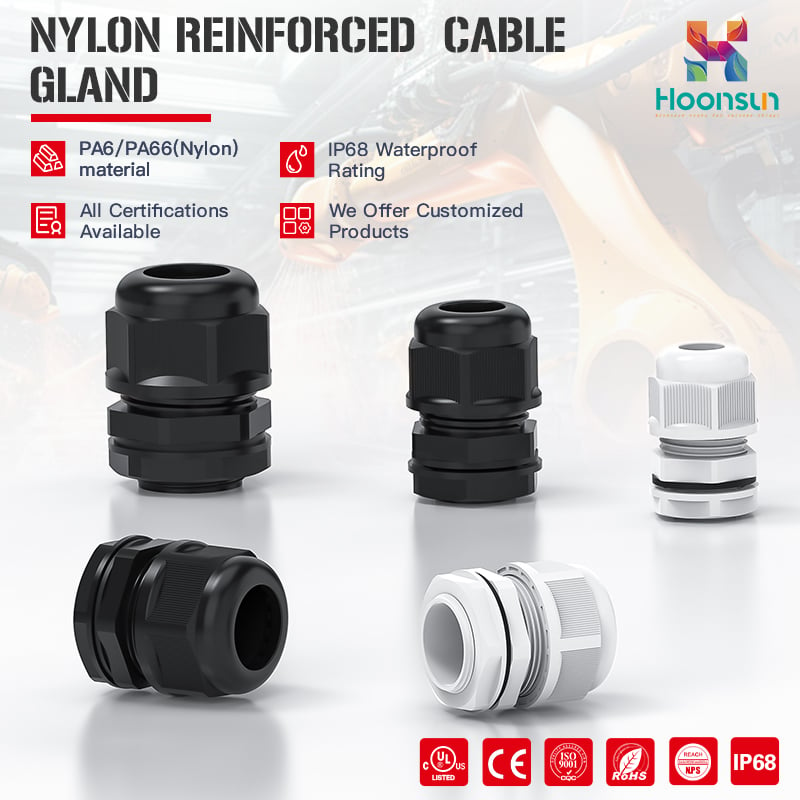
• Nylon Cable Glands: Lightweight, cost-effective, IP68-rated, suitable for general industrial and indoor use.
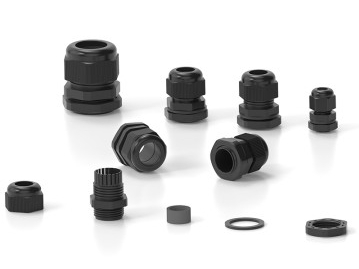
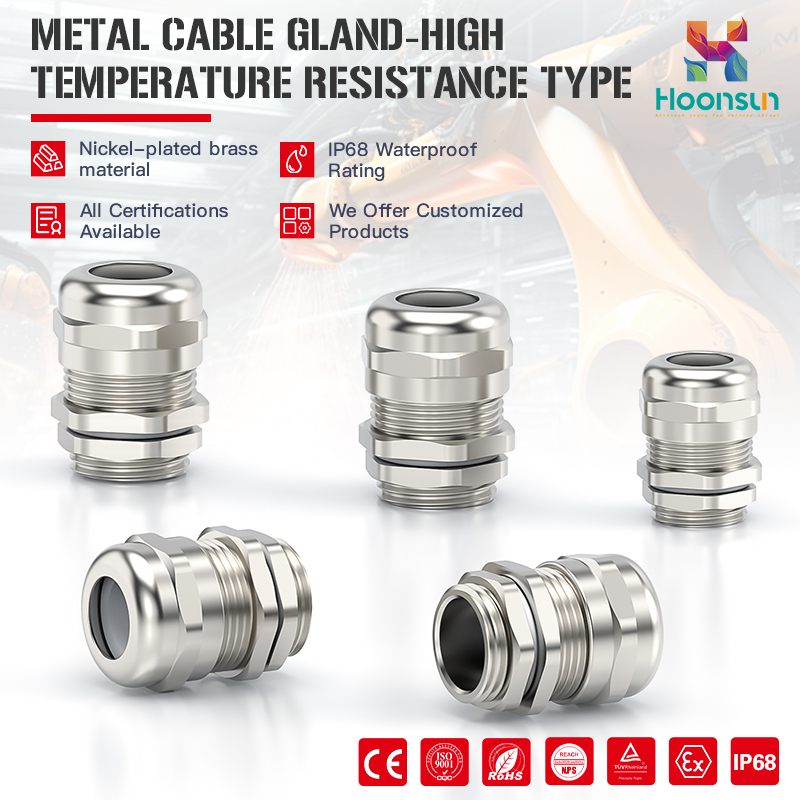
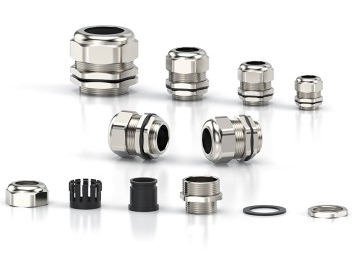
• Metal Cable Glands (Brass/Stainless Steel): High strength, corrosion-resistant, IP68-rated, ideal for outdoor, marine, and harsh environments.
• Explosion-Proof Cable Glands: ATEX-certified, flameproof, suitable for oil, gas, chemical, and other hazardous areas.
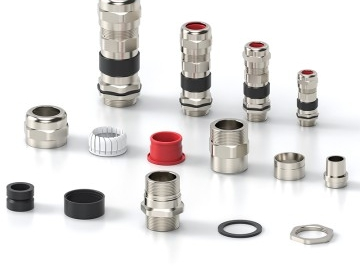
• Marine Cable Glands: Saltwater corrosion-resistant, IP68-rated, designed for ships and offshore platforms
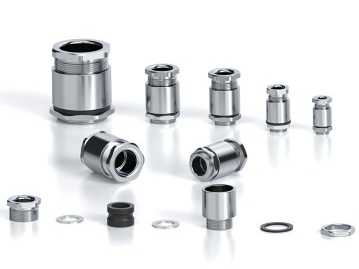
3. How to Choose: Grommet or Hoonsun Cable Gland?
Choose a Cable Grommet if: You need simple edge protection for low-voltage, indoor, or non-critical applications with no waterproof or heavy strain relief requirements.
Choose a Hoonsun Cable Gland if: You need IP67/IP68 waterproof/dustproof sealing, heavy-duty strain relief, or explosion-proof performance for industrial, outdoor, marine, or hazardous area applications. Hoonsun’s professional cable glands ensure system safety, stability, and long-term reliability.
Cable grommets and cable glands serve different purposes: grommets are for basic edge protection, while glands are for secure, sealed, and rugged cable entry. As a leading manufacturer, Hoonsun focuses on providing high-quality, certified cable glands that meet the most demanding industrial requirements. Whether for standard or customized solutions, Hoonsun is your reliable partner for safe and efficient cable management.
 Hot News
2026-09-16
2026-09-11
2026-09-09
2026-09-01
2026-08-27
2026-08-25

Copyright © Zhejiang Hongxiang Connector Co., Ltd. All Rights Reserved - Privacy Policy
 EN
EN