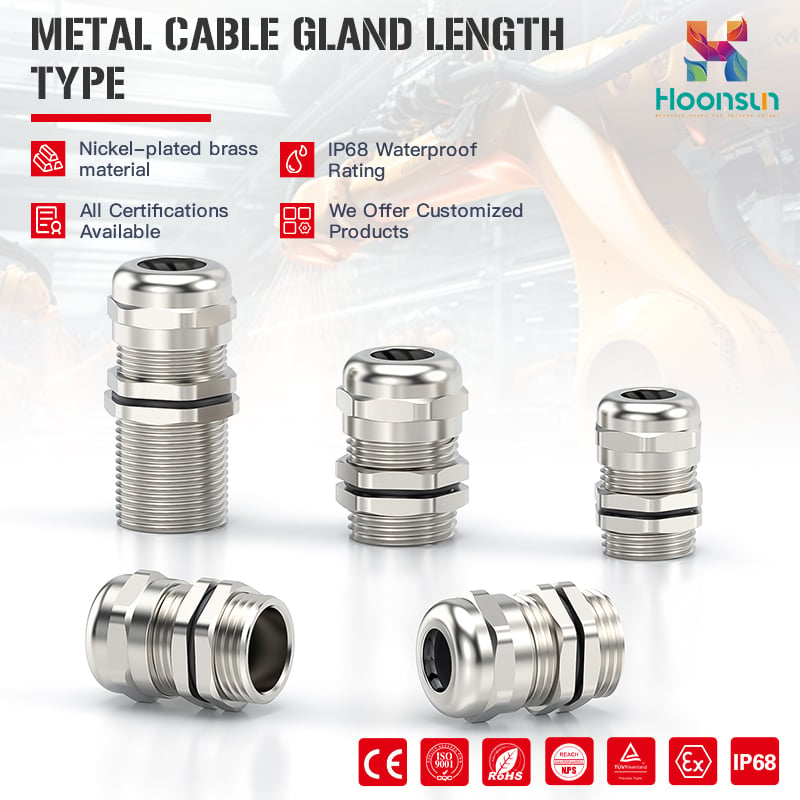
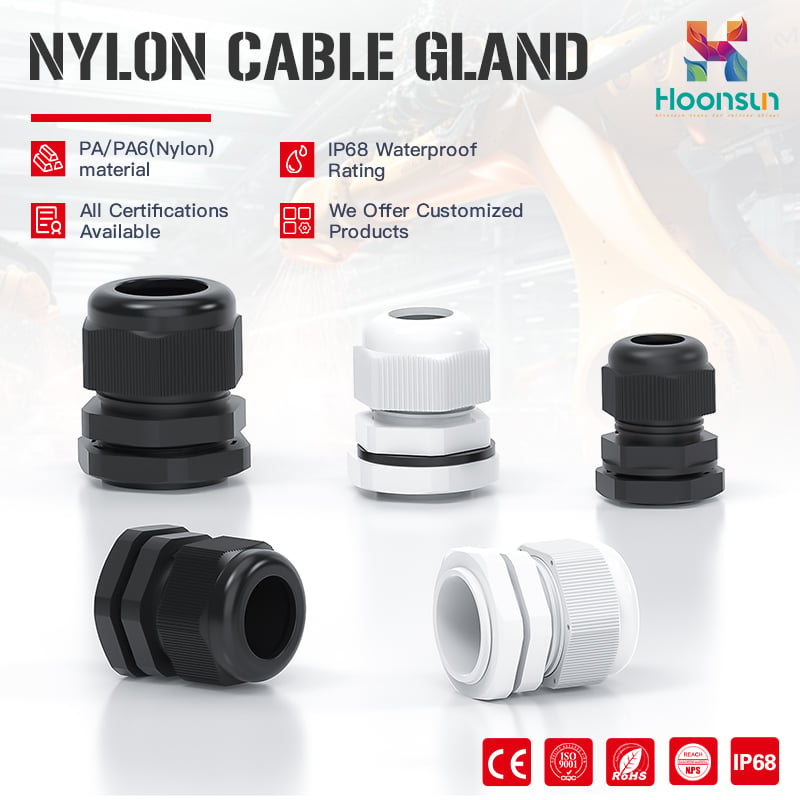
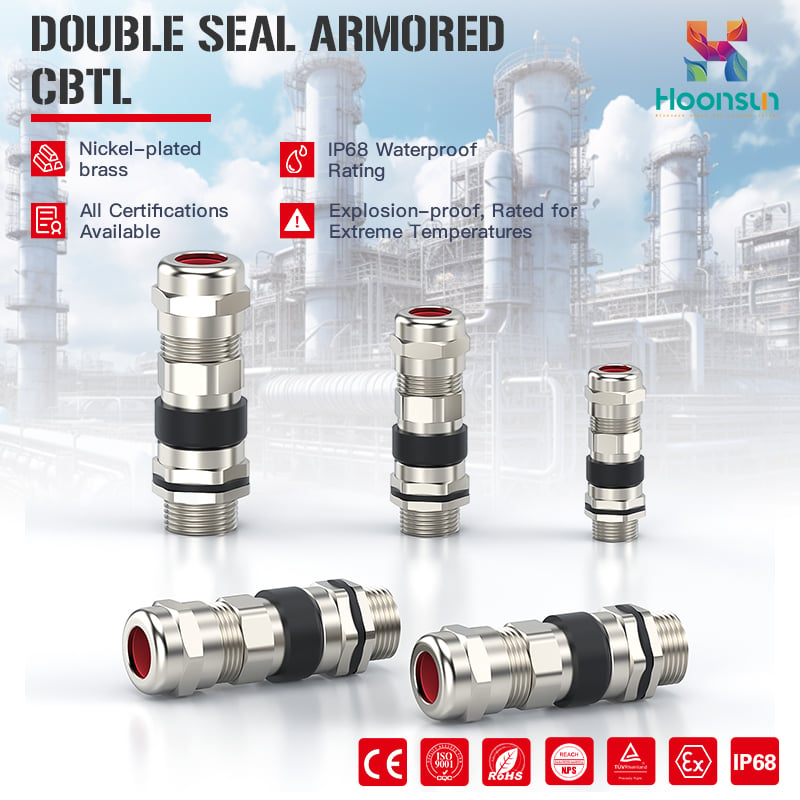
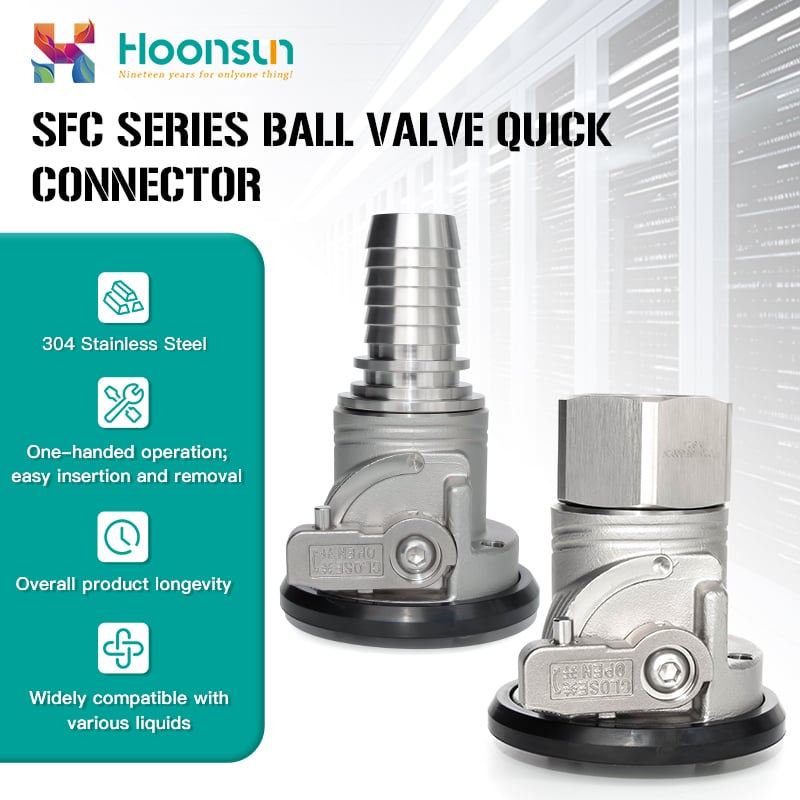
In the world of industrial electrical installations, selecting the right cable gland material is not merely a technical detail; it is a critical decision that impacts the safety, longevity, and cost-efficiency of the entire system. Cable glands serve as the mechanical cable entry devices that attach and secure the end of an electrical cable to the equipment. They provide strain relief and seal against environmental factors like dust, moisture, and gases. While nylon glands are common in light commercial use, industrial-grade projects typically demand the robustness of metal. The debate between Brass and Stainless Steel remains a central point for procurement officers and electrical engineers across the globe. As a leading manufacturer with over 18 years of experience, Hoonsun (Zhejiang Hongxiang Connector Co., Ltd.) understands the nuances of these materials. This guide provides an in-depth analysis to help you navigate the selection process between brass and stainless steel cable glands.
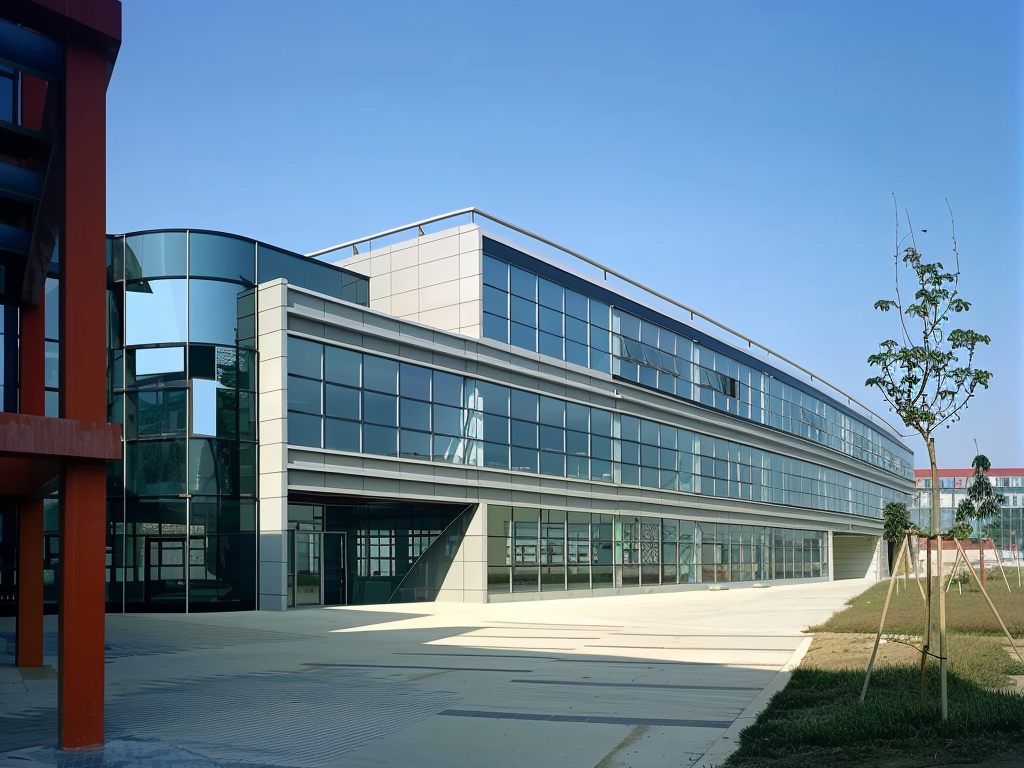
Hoonsun industrial cable glands in application
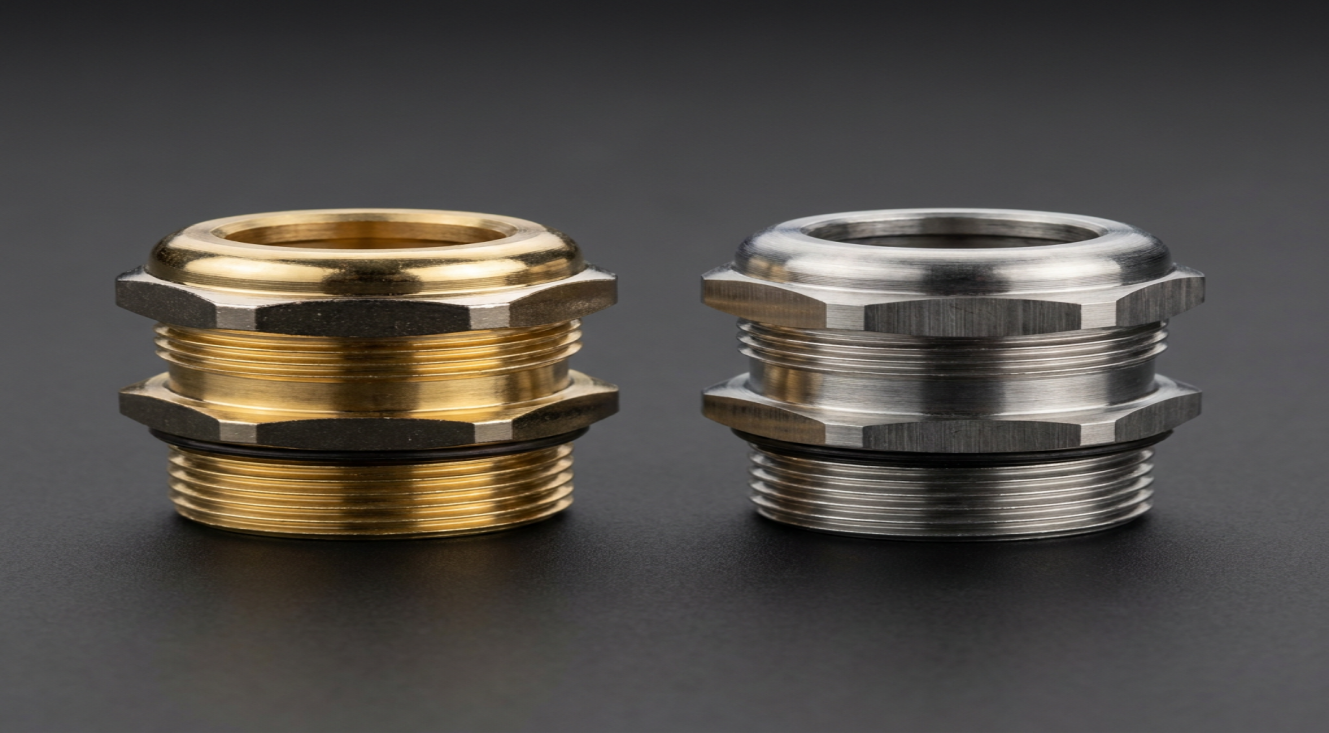
To make an informed choice, one must first understand the fundamental properties of the base metals. Brass used in cable glands is typically an alloy of copper and zinc, often nickel-plated to enhance its surface properties. Nickel-plated brass is the workhorse of the industry due to its excellent machinability and moderate corrosion resistance. It offers a high degree of protection against oxidation and can withstand a variety of industrial environments without significant degradation. At Hoonsun, our brass glands are engineered to meet strict dimensional tolerances, ensuring a perfect fit for diverse cable diameters.
Stainless steel, on the other hand, is an alloy of iron with a minimum of 10.5% chromium. For industrial cable glands, the most common grades are SS304 and SS316L. The chromium forms a passive layer of chromium oxide on the surface, which self-heals in the presence of oxygen, providing superior protection against rust. SS316L, which contains molybdenum, is specifically designed for chloride-rich environments like coastal areas or chemical processing plants. While stainless steel is harder to machine, it provides a level of structural integrity and aesthetic longevity that is unmatched by brass. Understanding these basics is the first step in aligning your component choice with the project’s environmental stressors.
Corrosion is the primary enemy of electrical connectivity. When a cable gland corrodes, it loses its sealing integrity, allowing moisture to seep into the enclosure and potentially cause catastrophic short circuits or equipment failure. Nickel-plated brass offers good resistance to rural and urban atmospheres. However, in environments with high humidity or exposure to specific chemicals, the nickel plating can eventually wear thin, exposing the underlying brass to oxidation. For many standard factory floors or indoor industrial zones, brass is more than sufficient.
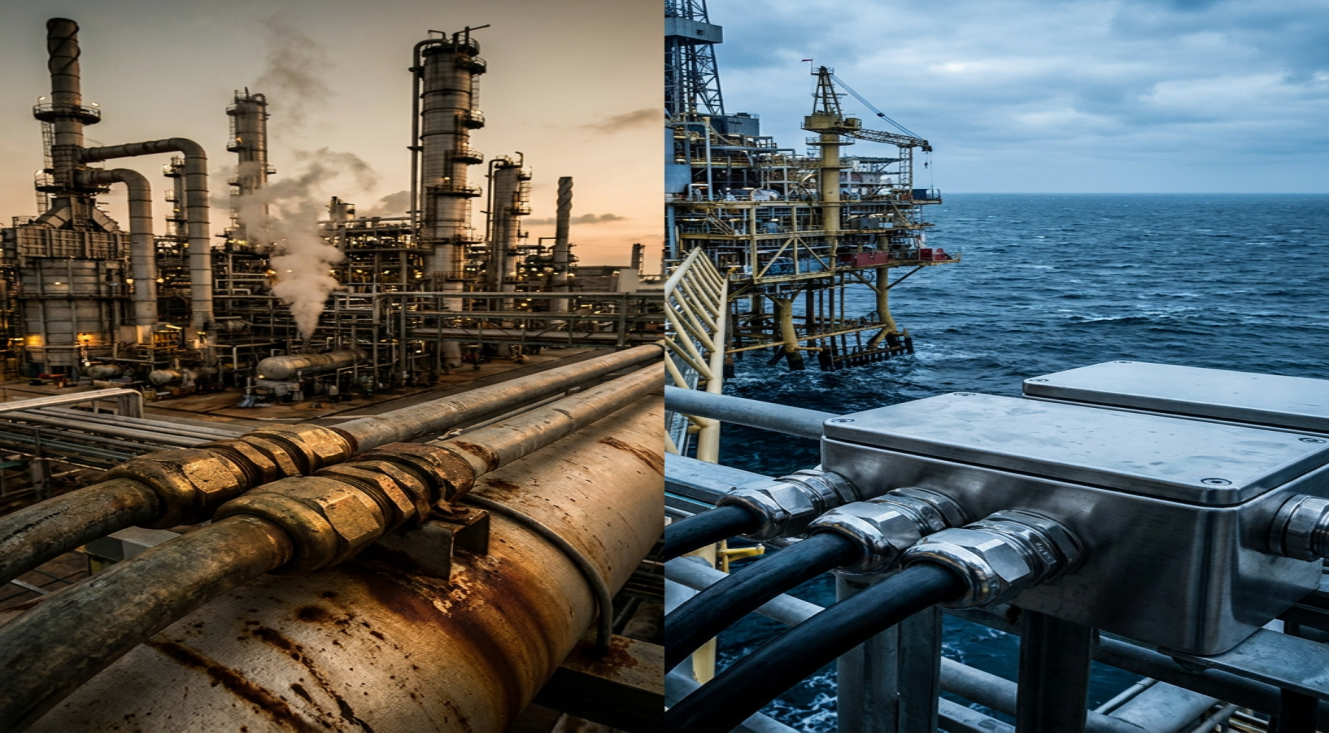
Stainless steel is the undisputed king of corrosion resistance. SS304 is ideal for standard outdoor use where rain and varying temperatures are the primary concerns. However, for "harsh" environments—defined by the presence of salt spray, acids, or alkalis—SS316L is mandatory. Marine engineering, offshore oil platforms, and wastewater treatment plants exclusively utilize stainless steel to ensure a service life that matches the equipment it protects. Hoonsun’s stainless steel cable glands undergo rigorous salt spray testing to guarantee performance in the most aggressive atmospheres, ensuring that your installation remains secure for decades.
When reviewing procurement budgets, the initial price tag of a brass cable gland is significantly lower than that of its stainless steel counterpart. For large-scale projects requiring thousands of units, the cost difference can be substantial. Brass is widely available and easier to manufacture at high volumes—Hoonsun produces over 80 million units annually—which keeps the unit cost competitive. If the environment is controlled or non-corrosive, choosing brass is the most economically sound decision.
However, a professional B2B procurement strategy looks beyond the initial purchase price to the Total Cost of Ownership (TCO). If a brass gland fails after five years due to corrosion in a coastal facility, the cost of replacement involves not just the new gland, but also specialized labor, site downtime, and potential risk to the connected machinery. In such scenarios, the higher upfront investment in stainless steel pays for itself by eliminating maintenance cycles. Stainless steel’s durability means it can often outlast the cable it secures. At Hoonsun, we provide detailed data to help our clients calculate which material offers the best ROI over the 20-year lifecycle of their infrastructure.
|
Feature |
Nickel-Plated Brass |
Stainless Steel 304 |
Stainless Steel 316L |
|
:--- |
:--- |
:--- |
:--- |
|
Corrosion Resistance |
Moderate |
High |
Exceptional |
|
Material Cost |
Low to Medium |
High |
Very High |
|
Tensile Strength |
Good |
Excellent |
Superior |
|
Machinability |
Excellent |
Difficult |
Very Difficult |
|
Marine Suitability |
Restricted |
Good |
Recommended |
|
Conductivity |
High |
Lower |
Lower |
The choice of material is often dictated by industry-specific regulations and environmental conditions. Brass is the preferred choice for standard industrial automation, power distribution panels, and telecommunications infrastructure. Its natural conductivity makes it easier to manage electromagnetic interference (EMI) when used with shielded cables, provided that proper earthing accessories are utilized. In the automotive industry, where IATF16949 standards apply, brass's reliability and cost-balance make it a staple.
Hoonsun product range and applications
Stainless steel is required in industries where hygiene and extreme resistance are non-negotiable. In the food and beverage industry, equipment must undergo frequent high-pressure washdowns with harsh detergents. Stainless steel does not pit or harbor bacteria, making it the only choice for "clean-room" environments. Similarly, in pharmaceutical manufacturing and chemical processing, where exposure to corrosive vapors is common, stainless steel ensures that the cable entry points do not become the weak link in the facility's safety chain. Hoonsun’s SS316L range is specifically popular among European EPC contractors for these specialized sectors.
Mechanical strength is another critical factor. Cable glands must withstand the torque applied during installation and the vibrational stresses of operating machinery. Brass is a relatively soft metal compared to steel. While it is strong enough for most applications, over-tightening can occasionally lead to thread stripping. Stainless steel, however, possesses immense tensile strength. It can withstand significant mechanical impact and high-vibration environments without deforming. This makes it ideal for heavy machinery, mining equipment, and railway applications where physical durability is paramount.
Temperature fluctuations also play a role. Both materials handle a wide range of temperatures, but their thermal expansion rates differ. Brass expands and contracts more than stainless steel. In environments with extreme temperature cycling—such as desert solar farms or arctic research stations—the stability of stainless steel helps maintain the IP68 seal over time. Hoonsun utilizes high-grade NBR or Silicone seals in both brass and steel glands to ensure that the interface between the metal body and the cable remains airtight regardless of the metal’s thermal behavior.
|
Expert Tip |
|
Expert Tip from Hoonsun Engineering: When installing nickel-plated brass glands in outdoor environments, always check the quality of the plating. Sub-standard plating can flake off during tightening, exposing the brass to immediate oxidation. At Hoonsun, we use a specialized multi-layer plating process that ensures the coating remains bonded even under high-torque conditions, extending the life of the gland by up to 40%. |
Selection isn't just about the gland; it's about the entire cable assembly. You must ensure that the gland material is compatible with the cable's armor or shielding. For example, if you are using Steel Wire Armored (SWA) cable, using a brass gland requires an internal grounding cone to ensure electrical continuity. Brass is inherently more conductive than stainless steel, making it slightly more efficient for earthing applications in low-voltage power systems.
Furthermore, consider the accessories. Locknuts, earth tags, and serrated washers should ideally match the material of the cable gland to prevent galvanic corrosion. Galvanic corrosion occurs when two dissimilar metals are in contact in the presence of an electrolyte (like moisture). If you use a galvanized steel locknut with a brass gland in a damp environment, the more "active" metal will corrode rapidly. Hoonsun supplies complete kits of matching materials—glands, nuts, and washers—to ensure that your entire entry system is chemically compatible and structurally sound.
To simplify your decision-making process, we have developed a checklist based on our 18+ years of manufacturing experience. Before placing your order, ask the following questions:
By systematically evaluating these factors, B2B buyers can avoid the pitfalls of over-specifying (wasting budget) or under-specifying (risking failure).
Choosing between brass and stainless steel cable glands is a balance of environmental demands, mechanical requirements, and budget constraints. Brass offers a versatile, cost-effective solution for general industrial use, while stainless steel provides the ultimate protection for harsh, corrosive, and hygienic environments. As an ISO9001 and IATF16949 certified manufacturer, Hoonsun is committed to providing high-quality cable management solutions tailored to your specific needs. With an annual production capacity of 80 million units and exports to over 30 countries, we have the expertise to support your global procurement needs.
Looking for high-performance cable glands for your next project?
Visit our website to explore our full range of products: www.hoonsuncg.com
For technical inquiries or bulk quotations, contact our export team at: [email protected]
Contact Hoonsun | [email protected] | www.hoonsuncg.com
 Hot News
2026-09-16
2026-09-11
2026-09-09
2026-09-01
2026-08-27
2026-08-25

Copyright © Zhejiang Hongxiang Connector Co., Ltd. All Rights Reserved - Privacy Policy
 EN
EN