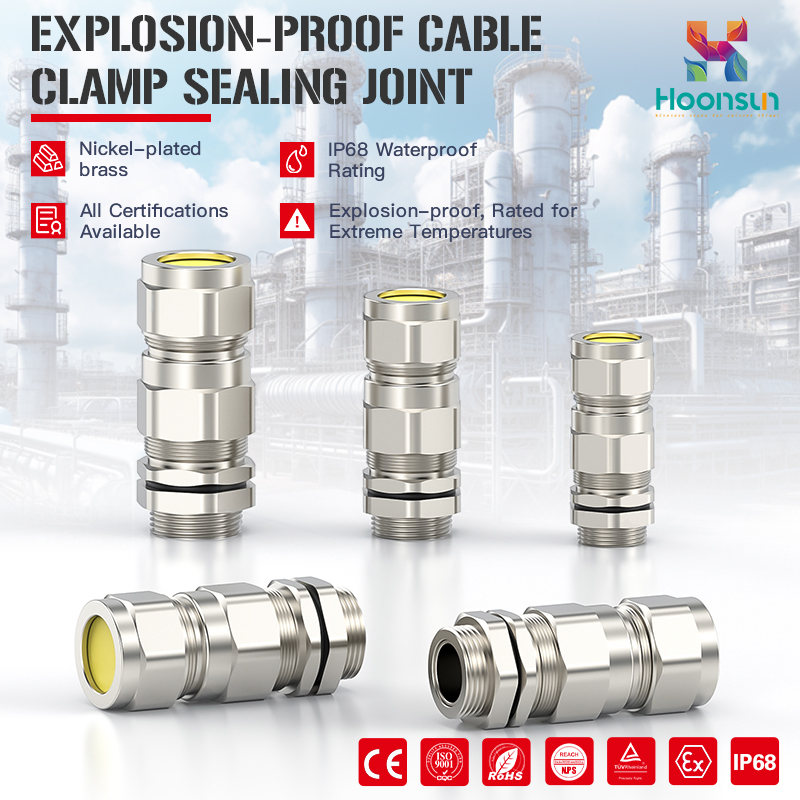
At a shipyard in the East China Sea, where strong sea breezes blow, an engineer holds a gleaming TH series cable connector and skillfully connects it to the interface of the deck searchlight. He knows well that this small component will serve as the first line of defense for the vessel against harsh environments for decades to come.
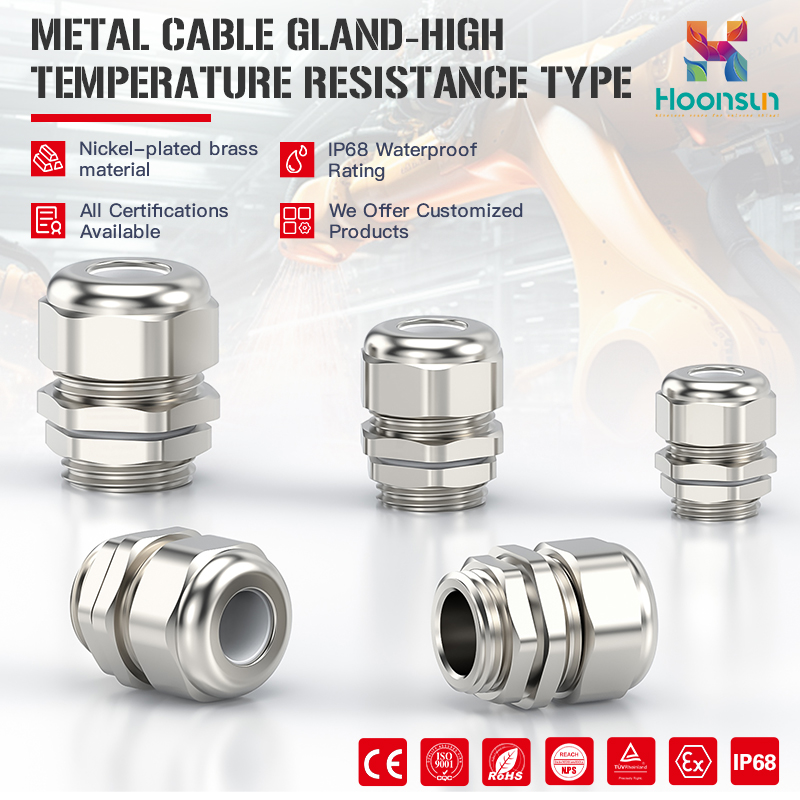
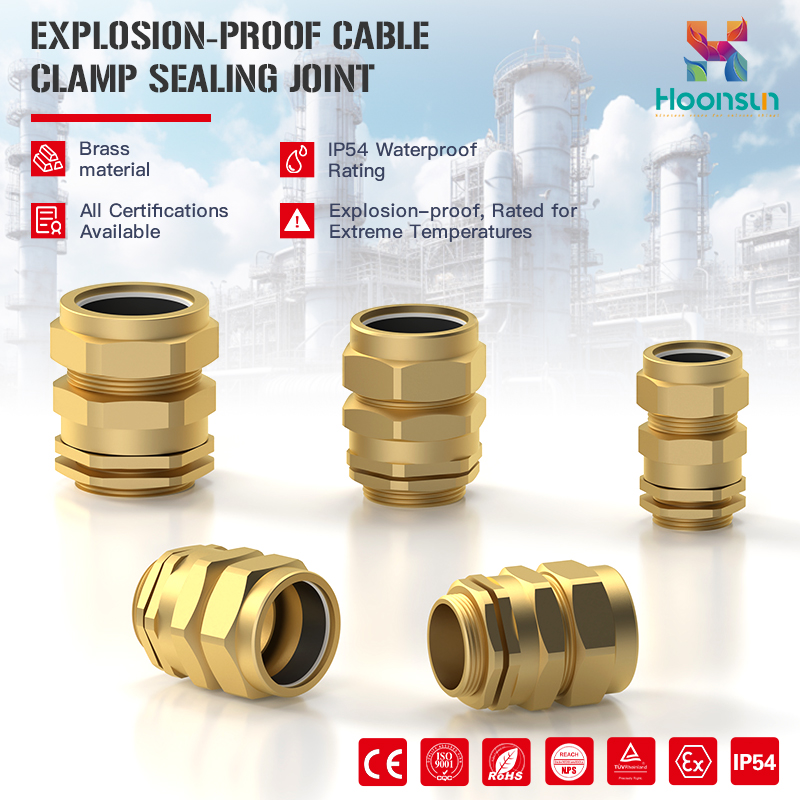
In a ship's electrical system, every connection point has the potential to become a weak link. While numerous marine connector manufacturers worldwide consider using plastic or metal, Zhejiang HoonSun Connector Co., Ltd. has made a clear and prudent choice: the TH series products are crafted from brass.
This is not merely a material selection; it is a technical decision based on a profound understanding of the rigorous marine environment. Brass boasts exceptional corrosion resistance, electrical conductivity, and robust mechanical properties, making it the only choice for ensuring the safety of marine electrical connections.
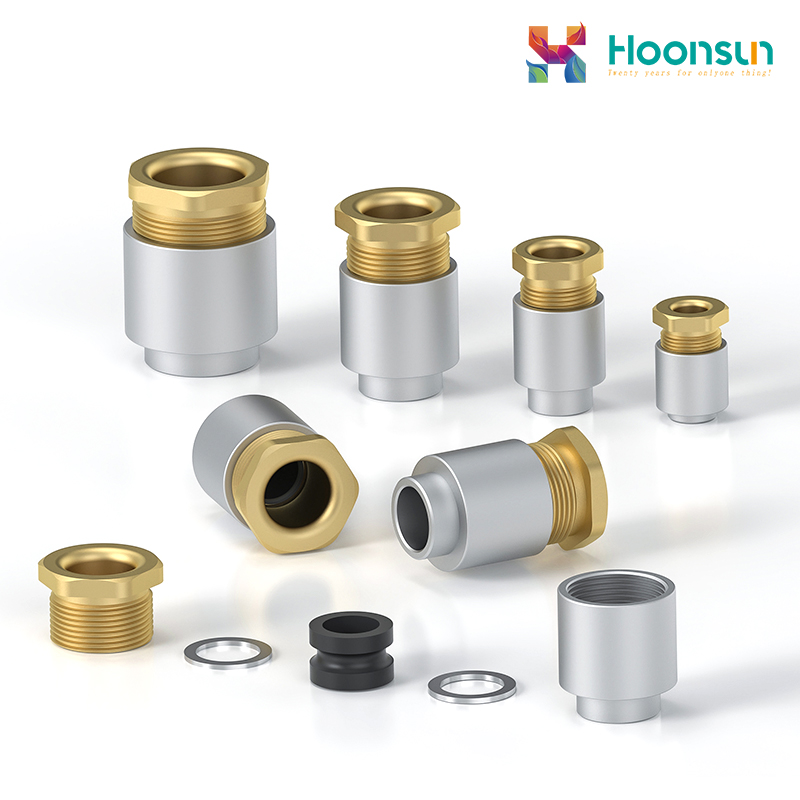
Marine electrical equipment faces four major challenges throughout its lifecycle: salt spray, high humidity, continuous vibration, and extreme temperature fluctuations. Traditional steel components are prone to corrosion, while certain plastics become brittle under ultraviolet radiation or low temperatures.
Brass is a copper-zinc alloy. A dense oxide layer forms on its surface, effectively preventing further corrosion of the underlying metal and providing inherent resistance to salt spray corrosion. Its excellent electrical conductivity ensures reliable grounding, and its natural antibacterial properties reduce the likelihood of marine organisms attaching and multiplying.
HoonSun's choice of brass as the raw material for its TH series products has thus provided a decisive advantage in addressing marine environmental challenges.
For marine connectors, material selection directly determines the product's performance limits and application scenarios. The HoonSun TH series adopts brass material and achieves superior surface finish through its exquisite product design.
Corrosion resistance is brass's most crucial characteristic. Its corrosion resistance far exceeds that of traditional carbon steel, and compared to stainless steel, it offers a significantly higher cost-performance ratio. This is essential for marine connectors, which are used in large quantities and have high replacement costs.
Continuous vibration and potential mechanical shocks on ships demand extremely secure connections. Brass endows the connector housing with excellent rigidity, while the internal rubber sealing rings ensure a stable compression state even after years of use. This is vital for achieving high protection ratings (e.g., IP68).
Brass's outstanding machinability enables the production of products with precise threads and complex structures, thus ensuring consistent connection dimensions and reliable connections. HoonSun's advanced precision casting and CNC turning processes maximize the advantages of this material.
The HoonSun TH series brass cable connectors are more than just metal components—they are the result of an integrated system development project.
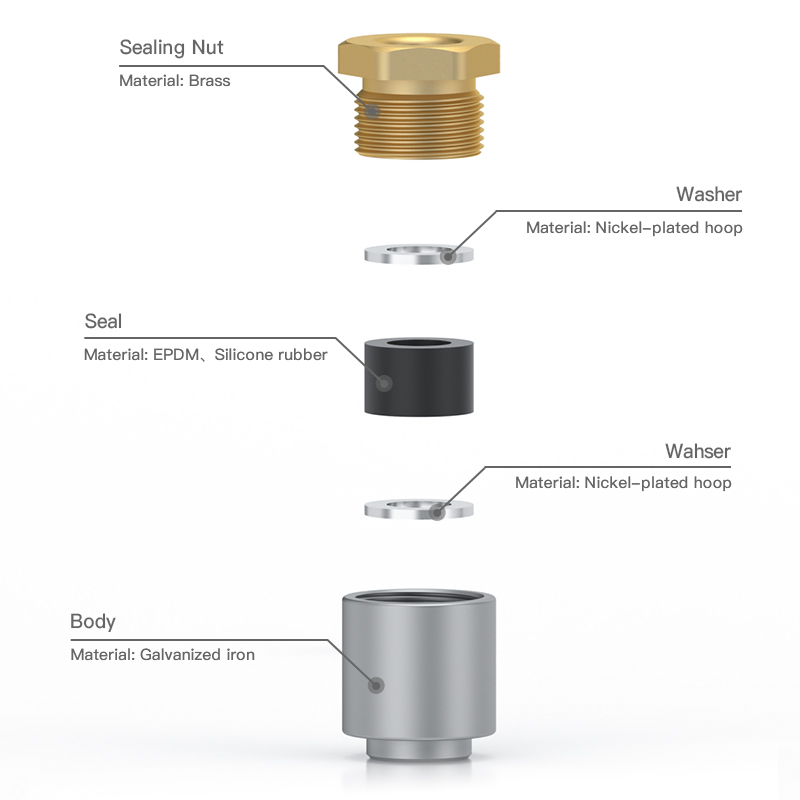
This product features a multi-layer sealing structure, including cable clamping sealing, internal O-ring sealing, and thread sealing. The brass body provides a sturdy and stable framework for these seals, preventing seal failure caused by vibration and temperature fluctuations.
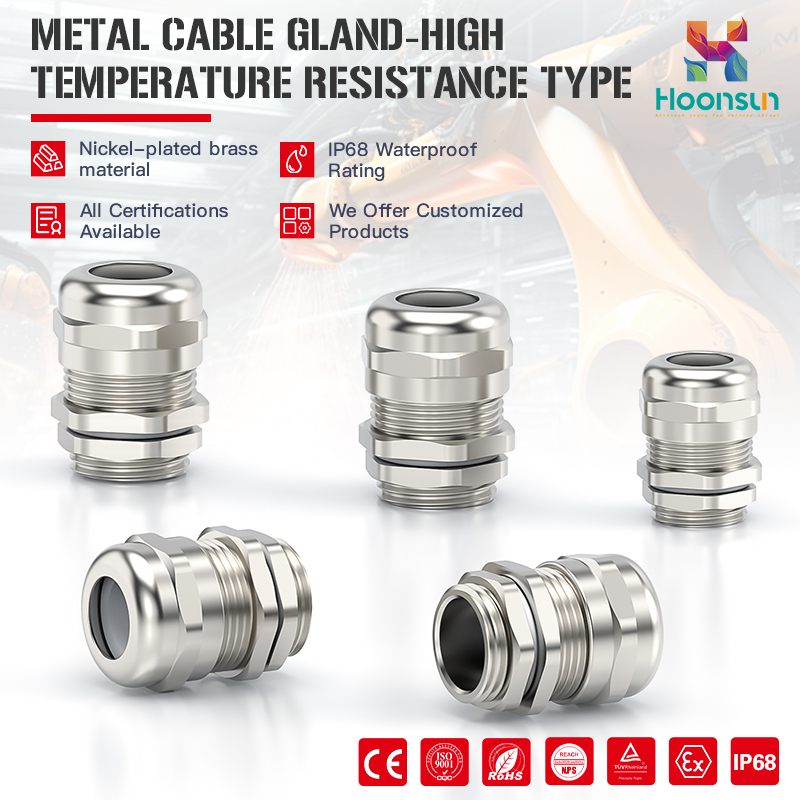
To further enhance performance, brass connectors undergo nickel plating or chrome plating. This outer layer not only improves corrosion resistance and prevents chemical erosion from fuels and lubricants but also optimizes the product's appearance and wear resistance.
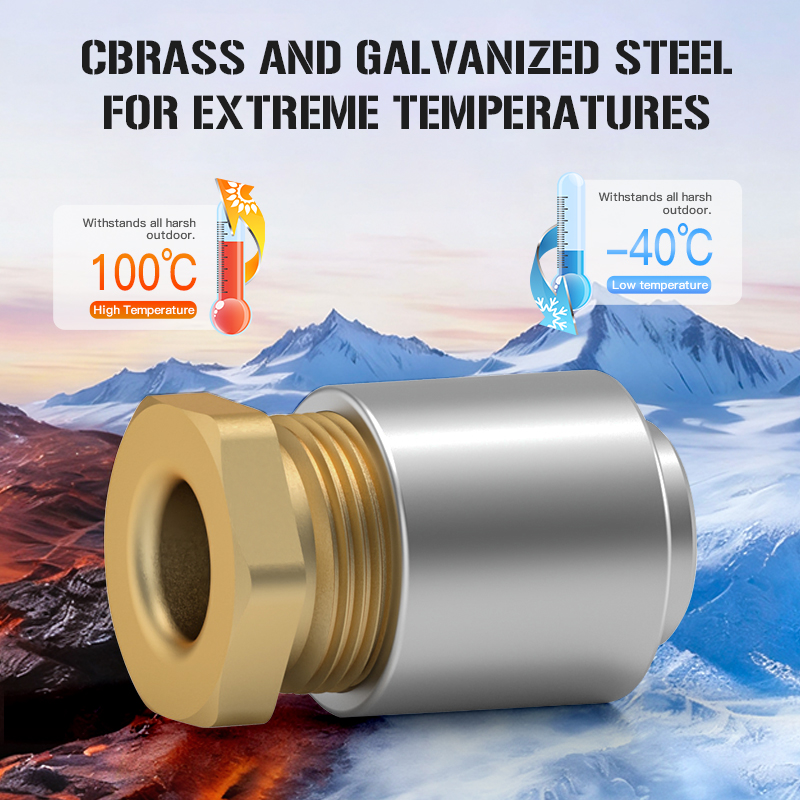
The series offers a variety of options with thread sizes ranging from M16 to M63 and beyond, suitable for cables with diameters from 5 mm to 50 mm and larger. It can meet the needs of various applications, from low-voltage control circuits on ships to high-voltage power lines on decks. With an operating temperature range of -40 °C to 120 °C, the product is suitable for global voyages from the polar regions to the equator.
The application of TH series brass connectors on ships depends on environmental conditions.
Brass connectors are suitable for locations such as open decks, outside the bridge, and engine rooms. Equipment such as navigation radars, communication antennas, deck lighting, and searchlights are not only directly exposed to salt spray and waves but also have to withstand vibrations from the main engine and shaft.
In wiring systems such as fire protection, alarm, and emergency lighting systems, the reliability of connections has a significant impact on safety. Therefore, brass connectors with excellent mechanical properties and corrosion resistance should be prioritized.
For low-voltage control cables in dry cabins or superstructures, environmental conditions are relatively mild, but brass connectors remain a reliable choice for standardized, maintenance-free long-term operation on ships.
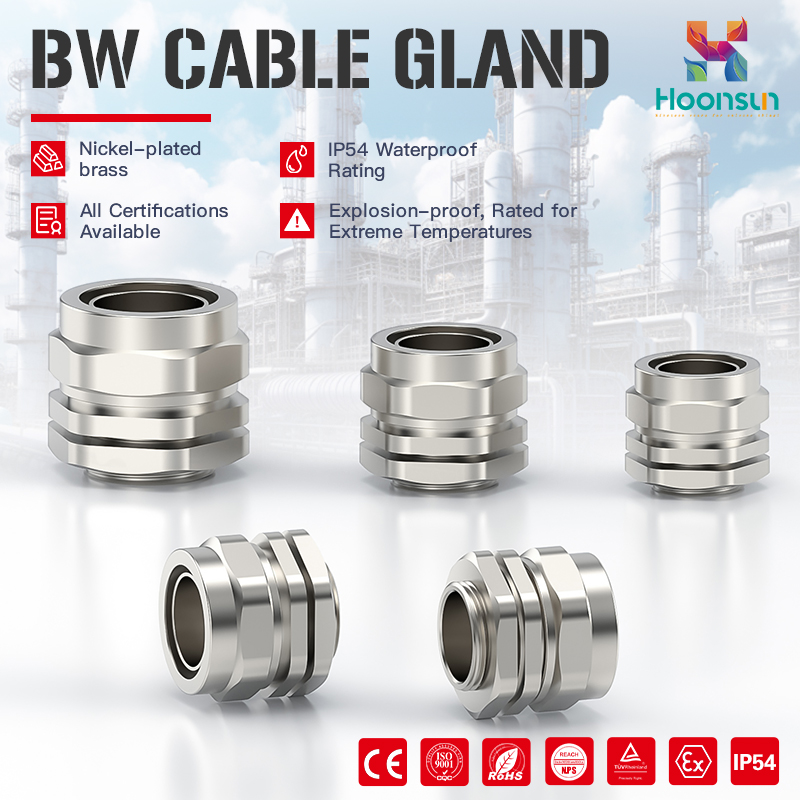
When selecting a connector, it is essential to accurately measure the outer diameter of the cable, choose the appropriate model, and ensure compatibility with the thread specifications (PG, M, G, etc.) of the equipment interface. In areas with special explosion-proof requirements (e.g., hazardous areas on oil tankers), the product must have ATEX or other explosion-proof certifications.
Imagine an oceanographic research vessel sailing in the South Pacific. During a routine inspection, an electrician shines a flashlight on a TH series brass connector in the corner. Despite years of wind and sun exposure, its surface coating remains as bright as new, with only minimal signs of aging.
Thanks to brass's exceptional reliability, there is no risk of internal corrosion. In addition, the robust housing protects the internal rubber rings, preventing seal damage. This small brass component, like countless similar connectors on the hull, operates quietly and reliably, maintaining the ship's "nervous system" in the vast ocean without any impact on its normal operation. This is precisely the original intention and requirement behind choosing brass as the material for HoonSun TH series connectors.
Q: Are brass connectors much heavier than plastic connectors?
A: Yes, weight is a physical characteristic of brass. However, for most fixed installations on ships, this is not a significant drawback. The resulting stability and reliability far outweigh the additional weight.
Q: Are brass connectors more expensive?
A: The initial purchase price of brass connectors is usually higher than that of plastic connectors. However, when considering the overall cost of the product, including a longer service life, lower failure risk, and reduced maintenance and replacement costs, brass connectors may be a more economical choice.
Q: How can I ensure that the TH series connectors I purchase are genuine HoonSun products?
A: We recommend purchasing from authorized HoonSun dealers or distributors. Please confirm that the product is printed with the brand logo, specifications, and relevant certification marks. Genuine products have unique features, such as material quality, manufacturing precision, and packaging information.
 Hot News
2026-09-16
2026-09-11
2026-09-09
2026-09-01
2026-08-27
2026-08-25

Copyright © Zhejiang Hongxiang Connector Co., Ltd. All Rights Reserved - Privacy Policy
 EN
EN