EN
EN
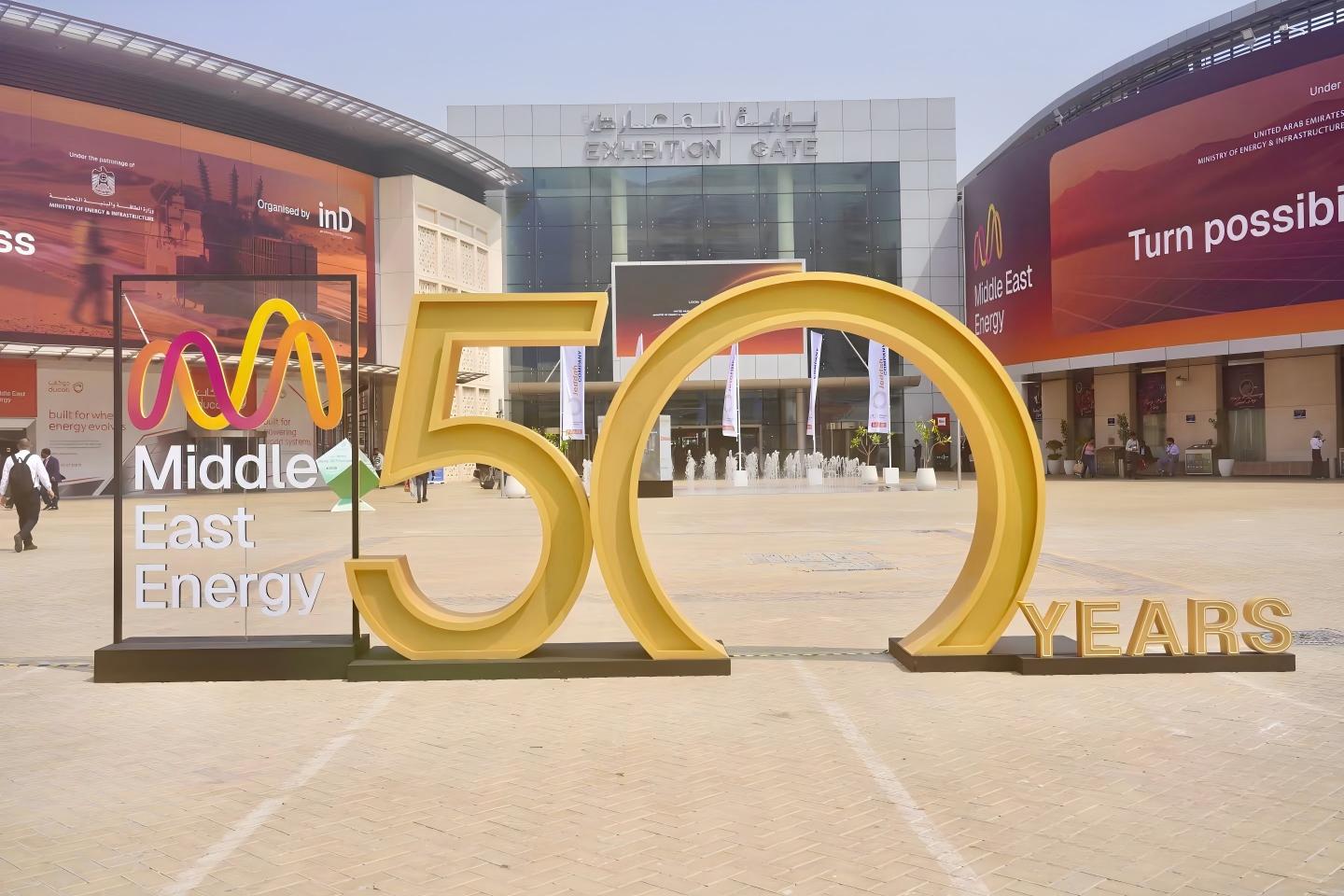 Middle East Energy exhibition venue. Source image: supplied in the original Word document.
One recurring theme stood out across all discussions at Middle East Energy 2026: standard industrial cable glands often fail prematurely in the region’s unique harsh climate. High ambient temperatures, persistent coastal salt spray and strong UV radiation create extreme continuous stress on electrical components, leading to frequent replacement and elevated maintenance costs for power and renewable energy projects. Conversations at Hoonsun’s Hall H8, Stand B55 booth confirmed that climate resilience has become a top non-negotiable priority for regional procurement teams.
Climate Resilience Has Become a Non-Negotiable Procurement Priority
For outdoor electrical installations, a cable gland must maintain its sealing, clamping and earthing functions through prolonged exposure to heat, dust, moisture and UV radiation. In this operating context, the initial component price is only one part of the purchasing decision. Procurement teams also need to consider replacement frequency, maintenance access and long-term enclosure protection.
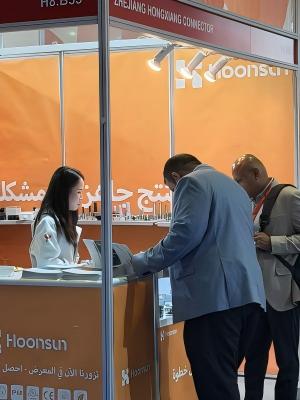 Visitors review cable gland products with the Hoonsun team at Hall H8, Stand B55.
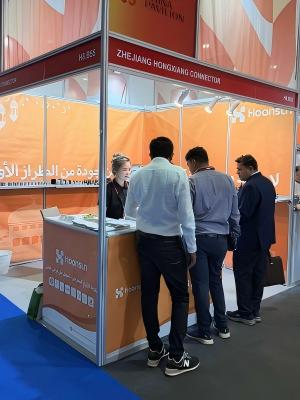 Product and application discussions at the Hoonsun booth during Middle East Energy.
Corrosion Exposure
Coastal salt spray and outdoor exposure can affect surface condition, threads, clamping force and sealing integrity.
Extreme Heat
High summer temperatures can accelerate gasket aging and increase the risk of enclosure ingress over time.
UV & Thermal Cycling
Repeated day-night temperature changes and year-round UV exposure demand more durable outdoor material choices.
Corrosion Resistance Matters at Coastal and Desert Energy Sites
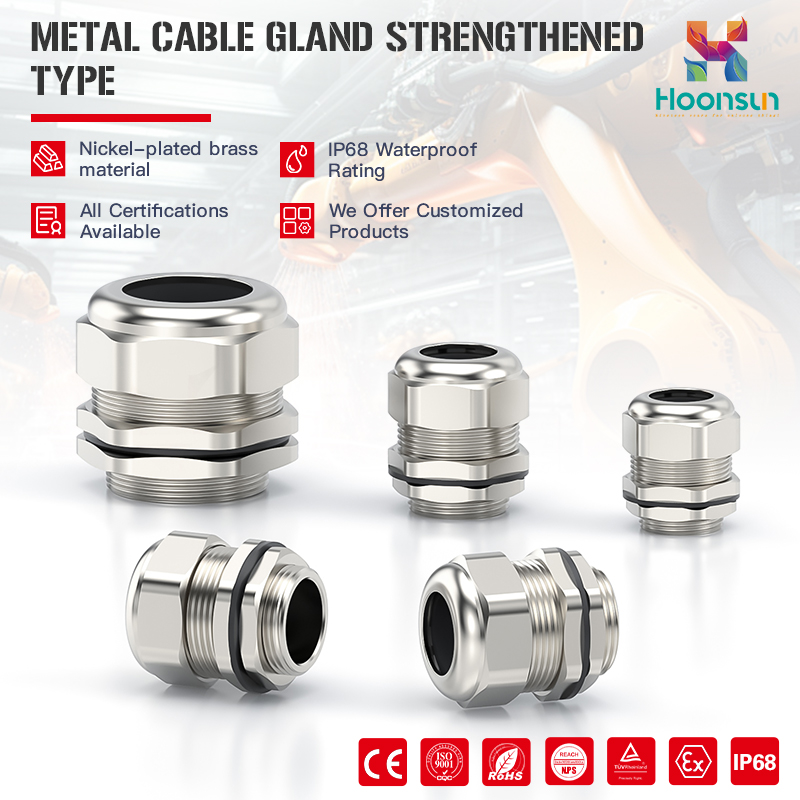
Corrosion resistance is the most critical performance requirement for coastal and desert energy sites. Many visiting engineers shared that untreated standard brass glands develop surface rust and thread corrosion within 12 to 18 months of outdoor installation in Gulf coastal areas. This corrosion weakens armour clamping force, breaks sealing integrity and creates earthing continuity risks.
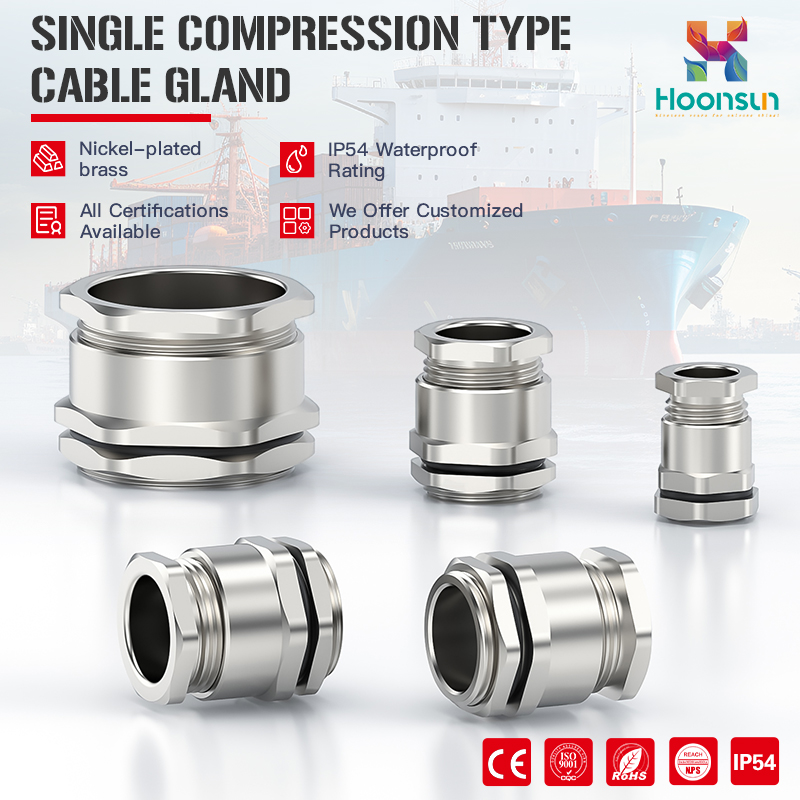
For these environments, nickel-plated brass and 316L stainless steel cable glands are increasingly becoming the default specification rather than a premium upgrade option. The correct material should be selected against the site environment, cable construction, enclosure requirements and applicable project specifications.
A lower initial component cost may not represent the lower lifecycle cost if frequent replacement, site access and maintenance downtime are required later.
High-Temperature Sealing Stability Protects Enclosure Integrity
High-temperature sealing performance stability is another key climate-related demand. Daytime summer temperatures in the region can exceed 50°C, which accelerates aging of ordinary rubber sealing gaskets. Visitors noted that low-cost glands often lose their IP rating after one summer season, allowing fine sand and moisture to enter electrical enclosures.
Climate-adapted cable glands use heat-stabilized EPDM seals that maintain elasticity and sealing performance across wide temperature fluctuations, reducing premature failure rates dramatically. In practical procurement terms, the material and seal combination should be reviewed together: a corrosion-resistant body alone does not resolve a sealing-system weakness.
UV and Thermal Cycling Separate Long-Lasting Fittings from Disposable Alternatives
UV and thermal cycling durability also separate long-lasting fittings from disposable alternatives. Outdoor cable glands go through repeated day-night temperature cycles plus intense year-round UV exposure. Standard nylon glands in particular can become brittle and crack under these conditions. For outdoor installations, UV-stabilized material grades and metal glands with protective surface finishes are essential to achieve acceptable service life.
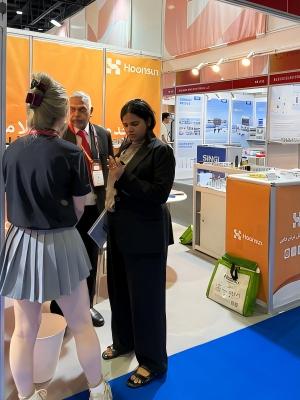 Regional visitors discuss application requirements at the Hoonsun cable gland display.
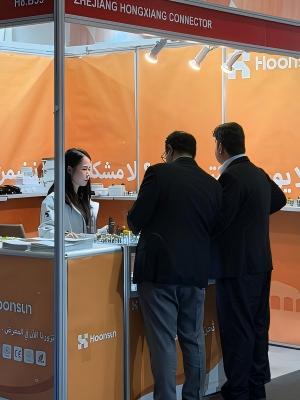 Customer discussions at the Hoonsun booth, China Pavilion, Hall H8, Stand B55.
A Practical Selection Checklist for Middle East Energy Projects
Choosing climate-adapted cable glands reduces long-term total cost of ownership for Middle East energy projects. Before finalizing a cable gland specification, align the product with the site’s real exposure conditions and the requirements of the cable, enclosure and installation method.
| Selection factor | What to evaluate | Why it matters |
|---|---|---|
| Installation environment | Coastal, desert, outdoor, washdown or sheltered installation | Determines the required corrosion and UV resistance. |
| Operating temperature | Ambient heat, enclosure temperature and day-night variation | Helps determine sealing-material stability requirements. |
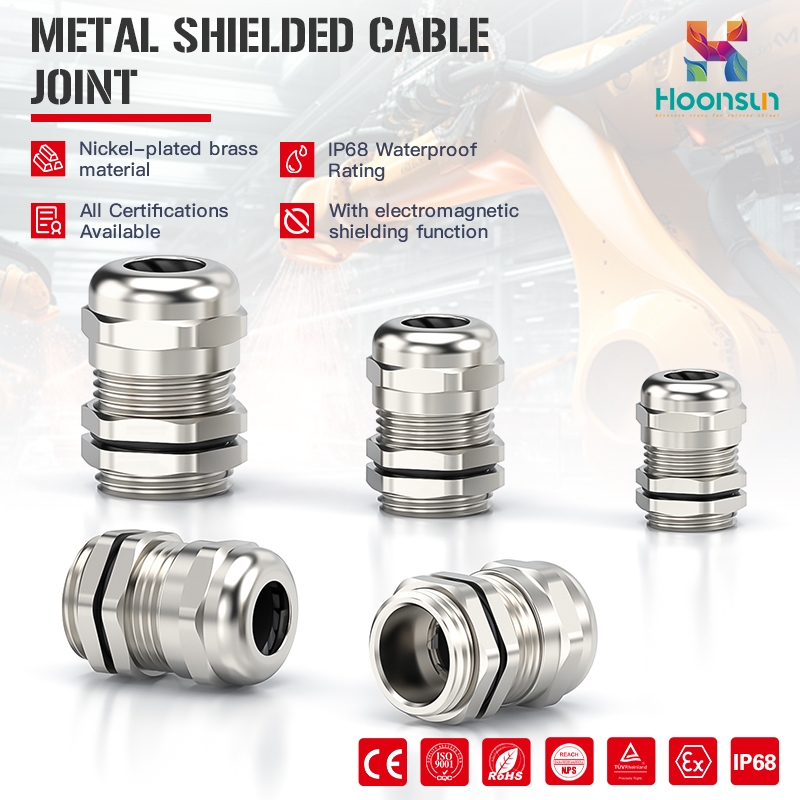
| Cable and armour type | Cable diameter, armour construction, shielding and clamping need | Supports correct mechanical retention and earthing continuity. |
| Protection requirement | Specified ingress protection and applicable project documentation | Ensures the selected gland supports the enclosure design target. |
- Match corrosion resistance to the actual site environment, especially for coastal or exposed installations.
- Review the cable-gland body and seal as one performance system, not as separate buying decisions.
- Confirm the proposed material, thread type, cable range and protection requirement before ordering.
- Request applicable product documentation when the project requires material or environmental verification.
Select for the Site, Not Just the Specification Sheet
If you need support selecting corrosion-resistant, heat-stable cable glands matched to specific site conditions, the Hoonsun team can provide material recommendations and official test report documentation upon request.
Contact your Hoonsun representative to discuss your cable type, installation environment and project requirements.
 Hot News